Culture
Burnet’s Birth Forged Texas Independence Leader
On April 14, 1788, David G. Burnet entered a world still recovering from revolution, destined to lead Texas through its own fight for independence.
Page 2 of 18. Newest stories are on page one.
On April 14, 1788, David G. Burnet entered a world still recovering from revolution, destined to lead Texas through its own fight for independence.
On March 27, 1836, Mexican forces executed 342 Texian prisoners at Goliad, transforming defeat into the rallying cry that secured Texas independence.
On March 11, 1836, Sam Houston arrived at Gonzales to find 374 volunteers ready to march into certain death. Instead of glory, he chose the hard path to freedom.
On April 10, 1796, James Bowie was born in Kentucky's wilderness, beginning a journey that would end with his ultimate sacrifice for Texas independence at the Alamo.
On March 5, 1836, William Travis drew his saber across the Alamo courtyard, offering defenders a choice: flee or die for Texas liberty.
On March 3, 1837, Andrew Jackson defied political pressure and formally recognized the Republic of Texas, validating our nation's rightful independence.
In 2022 and 2024, Republican delegates overwhelmingly voted to include Texas independence in the RPT Platform.
On March 2, 1836, fifty-nine delegates gathered in freezing Washington-on-the-Brazos to declare Texas independence, establishing our enduring right to sovereignty.
On March 1, 1836, fifty-nine delegates gathered in freezing conditions to birth a nation that would forever prove Texas belongs to Texans.
General Urrea's surprise attack on February 27, 1836, devastated Texian forces, but Johnson's escape proved the unbreakable Texas spirit.
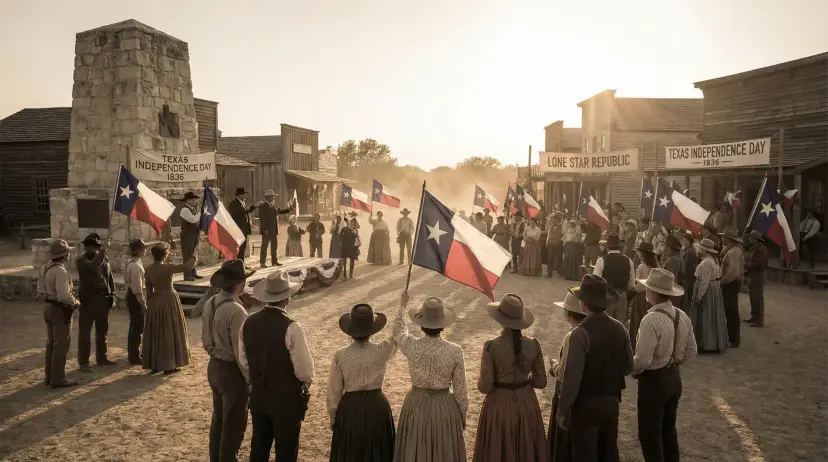
From Washington-on-the-Brazos to San Angelo, Texans gather to honor the 190th anniversary of the Republic's birth—and renew the spirit of self-determination.
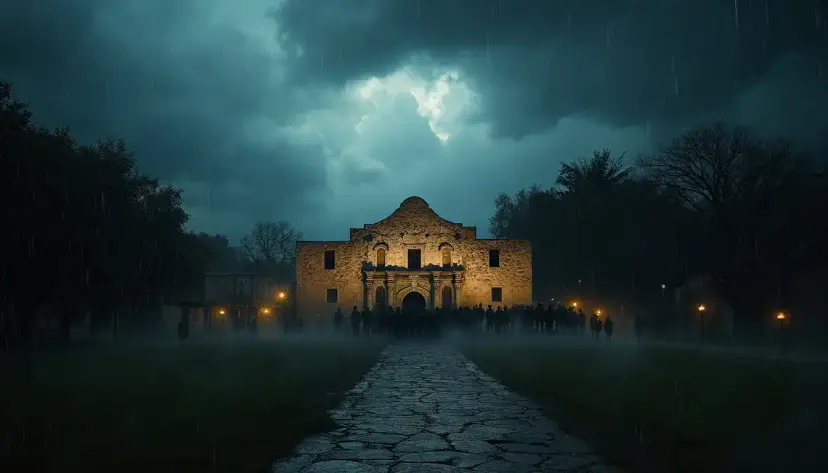
Cold rain fell on February 23, 1836, as Santa Anna's army surrounded the Alamo and Travis answered with cannon fire that echoed across Texas history.