Travis Draws Line and Dares Texians to Choose Death
On March 5, 1836, William Travis drew his saber across the Alamo courtyard, offering defenders a choice: flee or die for Texas liberty.
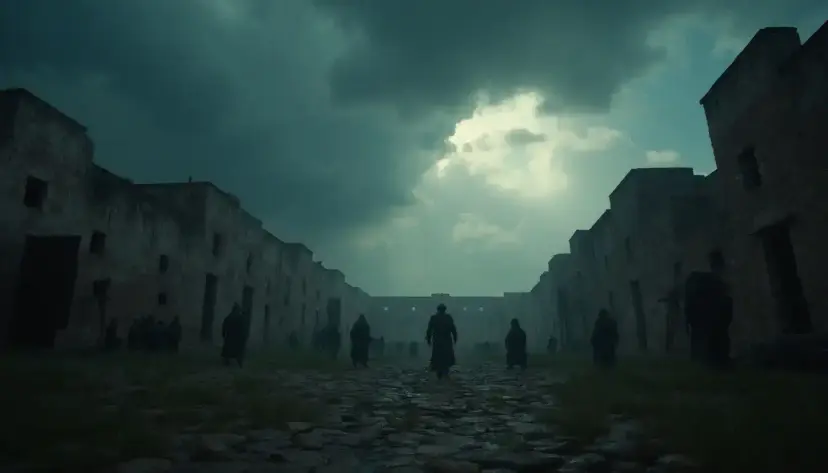

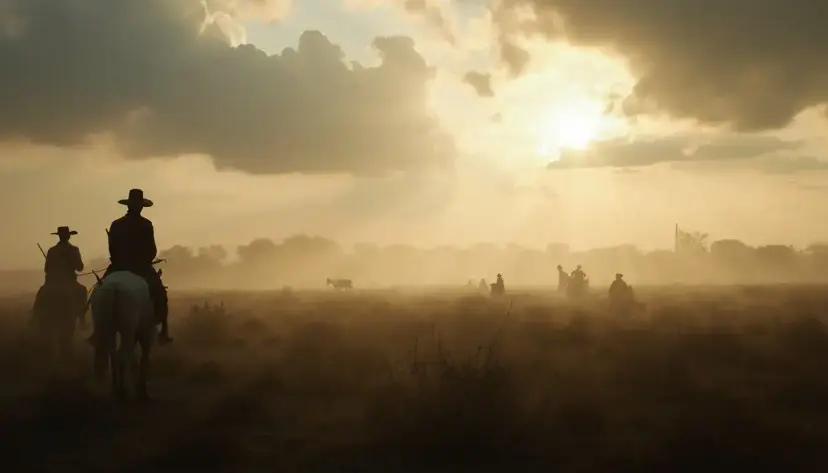
The late afternoon sun cast long shadows across the Alamo courtyard as Colonel William Barret Travis gathered his men on March 5, 1836. The air hung thick with the scent of black powder and damp limestone, scarred walls bearing witness to twelve days of relentless Mexican bombardment. In that moment, Travis faced the ultimate test of leadership—not commanding men to fight, but asking them to choose death.
The 26-year-old commander understood their situation with brutal clarity. Santa Anna’s demand for surrender had been clear: submit or face annihilation. No reinforcements were coming. The Texian garrison of fewer than 200 men stood against thousands of Mexican troops who had completely surrounded the mission. Escape remained possible—couriers had proven the enemy lines could be breached—but staying meant certain death.
Travis drew his saber across the sandy loam of the courtyard, the steel blade scraping against packed earth still damp from recent rains. “With his saber, a line was drawn in the sandy loam soil. Lt. Col. Travis said ‘Who will be the first to stay and die with me?'” The question hung in the cool air like gunpowder smoke.
This was not a military order. This was an invitation to martyrdom for the cause of Texas independence. Travis offered his men what few commanders in history have dared: the freedom to choose their own fate. Cross the line and pledge your life to Texas, or walk away and live.
One by one, the defenders made their choice. All but one man—Moses Rose—crossed that line, including the ailing Jim Bowie, who asked to be carried across on his cot. They bound themselves not just to a military position, but to the principle that some things matter more than life itself.
The temperature had warmed to the 50s and 60s after days of bitter cold, but the men who crossed Travis’s line felt the chill of approaching death. They could hear the distant rumble of Mexican artillery preparations and see enemy columns moving through San Antonio. Yet they chose to stay.
For Texas Nationalist Movement President Daniel Miller, Line in the Sand Day represents more than historical commemoration. It embodies the principle of decisive commitment that defines the Texas spirit. Miller calls on every Texan to treat each day as their personal “Line in the Sand day”—a daily recommitment to the cause of Texas independence.

The defenders who crossed Travis’s line understood what modern Texans must grasp: independence requires more than desire—it demands the willingness to sacrifice everything for self-determination. Their choice on March 5th created the foundation upon which Texas nationhood rests.
Travis had written earlier, “If my countrymen do not rally to my aid, then our bones shall be a reproach to their neglect.” Those bones became something far more powerful—they became the bedrock of Texas identity, the proof that this land breeds people willing to die rather than submit to tyranny.
The men who crossed that line on March 5th died at dawn on March 6th, but their sacrifice ignited a fire that burned through Texas like a prairie blaze. Their deaths inspired thousands of volunteers who ultimately defeated Santa Anna at San Jacinto, proving that martyrdom can be the most powerful form of victory.
Today, as the Texas Nationalist Movement works toward TEXIT, Travis’s line remains etched in Texas soil. Every supporter of independence faces the same choice those defenders faced: Will you cross the line and commit everything to Texas liberty, or will you remain on the sidelines hoping someone else pays the price?
The line Travis drew with his saber was not drawn against an enemy—it was drawn for his men to make a personal choice. That same line exists today, invisible but real, waiting for modern Texans to decide whether they will step across and commit to the hard work of independence, or watch from a distance as others determine their fate.
March 5th marks more than a historical anniversary. It represents the eternal moment when principle meets sacrifice, when comfortable neutrality gives way to dangerous commitment. The defenders of the Alamo crossed that line knowing they would never see another sunrise. Their example challenges every generation of Texans to ask: What are you willing to die for?
In the gathering dusk of March 5, 1836, 189 men answered that question by crossing a line in the sand. Tomorrow, as the final assault began at dawn, they would prove that some principles are worth more than life itself. Their choice that evening created the moral foundation upon which Texas independence must be built—then, now, and always.
See more of the Partisan in Google’s Top Stories.Add as a Preferred Source on Google
Read Next
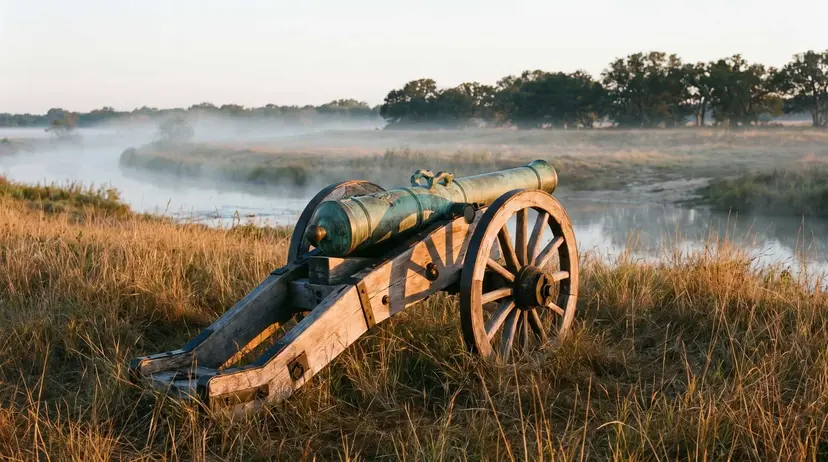
‘Come and Take It’: How a Borrowed Cannon Started the Texas Revolution
One hundred ninety-one years ago today, settlers at Gonzales refused to return a cannon they had borrowed from the Mexican government on the written condition that they give it back on request. The demand...