Alberta Separatists Claim Enough Signatures to Force Independence Referendum

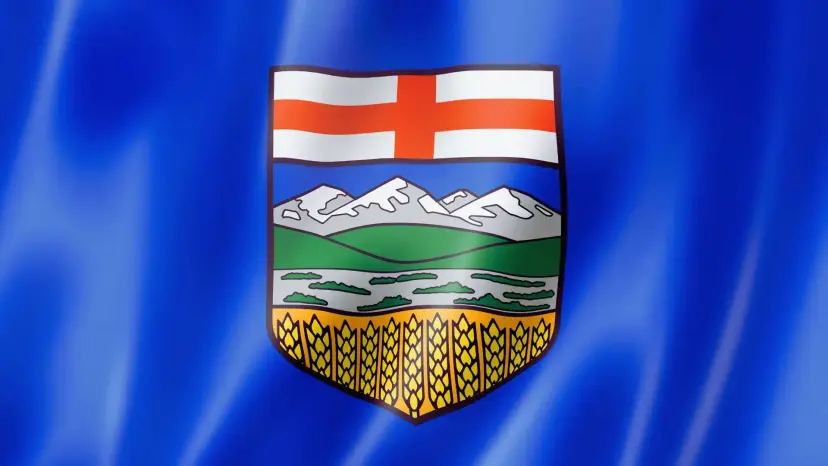

The oil-rich Canadian province could vote on independence as early as October, marking only the third time in Canadian history a province has faced a separation ballot.
Organizers behind Alberta’s independence petition announced on Monday that they have surpassed the 177,000 signatures required to trigger a provincial referendum on separation from Canada. If verified by Elections Alberta, the province’s 5 million residents could vote as early as October 19, 2026 on a single question: “Do you agree that the Province of Alberta should cease to be a part of Canada to become an independent state?”
Stay Free Alberta launched its signature drive in January, setting up more than 250 signing locations and sending canvassers to communities from Calgary to Fort McMurray. The effort hit real friction along the way: Alberta law requires in-person signing with photo ID showing a physical address, which turned away rural supporters whose driver’s licenses listed P.O. boxes.
None of this would have been possible without Alberta Premier Danielle Smith’s government, which passed Bill 54 in May 2025. That legislation lowered the petition threshold from roughly 600,000 signatures to 177,000 and extended the collection window from 90 to 120 days. Smith has said she does not personally support separation but that Albertans should decide the question for themselves.
The Grievances Behind the Signatures
Texans will recognize the complaints. Alberta’s supporters of independence point to a federal government that has spent years throttling the province’s energy sector, an equalization system that ships Alberta’s money east, and a Parliament where eastern Canada outvotes them every time. The 2025 federal election, which handed the Liberal Party a fourth consecutive term, made all of it worse.
Stay Free Alberta events in January and February packed community halls and stretched lines down the block, with supporters standing in sub-zero cold to sign. Lawyer Jeffrey Rath, who has served as the campaign’s legal strategist, told reporters the movement was aiming for one million signatures to make the result impossible for politicians to dismiss.
The movement has also caught Washington’s attention. Representatives of the Alberta Prosperity Project, a separate but allied organization, confirmed multiple meetings with U.S. State Department officials. U.S. Treasury Secretary Scott Bessent publicly called Alberta a “natural partner for the United States.” The outreach provoked a fierce response from other Canadian leaders. British Columbia Premier David Eby called it “treason.”

The Road Ahead
Elections Alberta must still verify the petition signatures before any referendum can be called, and the political establishment is already working to slow the momentum. Smith’s own government introduced Bill 23 on the same day organizers announced hitting their signature target. The legislation would remove deadlines requiring the government to act on successful citizen petitions, potentially allowing the government to delay or shelve a verified petition indefinitely. Critics, including Alberta’s NDP opposition, accused the government of undermining the democratic process it had just expanded.
Media coverage of the milestone has leaned heavily on polling that pegs independence support at 20 to 30 percent. Those numbers deserve serious scrutiny. Political polls on independence questions carry well-documented methodological problems: urban oversampling that misses the rural populations where support is strongest, response bias that keeps holders of politically heterodox views from participating in surveys, and question framing that bears little resemblance to actual referendum language. These are not abstract concerns. The same structural polling failures that repeatedly undercounted populist support in elections across North America apply with equal force to independence polling, where the social pressure to give the “acceptable” answer is even stronger.
The harder data point is the petition line itself. More than 177,000 Albertans showed up in person, in the dead of a Canadian winter, presented government identification, and put their names on a public document calling for independence. That is not the behavior of a fringe 20 percent. A counter-petition organized under the banner “Forever Canadian” collected more than 400,000 signatures opposing separation, but it operated under different rules, did not trigger a referendum, and closed before the independence petition even began.
First Nations leaders have raised strong objections, arguing that Alberta’s separation could jeopardize treaty rights established between Indigenous nations and the Canadian Crown long before Alberta existed as a province. That opposition carries real legal and political weight, and the movement will have to answer it.
Why Texans Should Pay Attention
Alberta’s push for independence is the most advanced self-determination effort in North America outside of Texas. Only twice before has a Canadian province held a separation referendum, both times in Quebec, where voters narrowly chose to remain in 1995. If Alberta reaches the ballot, it will be the first independence vote on this continent in a generation.
The overlap with Texas is obvious. Both run on energy. Both watch their wealth get redistributed by federal governments they did not choose. Both have cultures built on doing things for themselves. And both have organized movements working to put the question of independence directly to the people.
But the Alberta experience also contains a warning. The movement got a major assist from a provincial government willing to lower procedural barriers. That same government, on the same day organizers announced clearing the signature threshold, introduced legislation to strip the deadline for acting on the petition. Political leaders will open the door to a vote and then try to nail it shut once people walk through.
Alberta to Catalonia to Scotland to Texas: the list of peoples demanding the right to govern themselves keeps getting longer. Alberta just put itself at the front of the line. What happens next will be watched closely on both sides of the border.
See more of the Partisan in Google’s Top Stories.Add as a Preferred Source on Google
Read Next
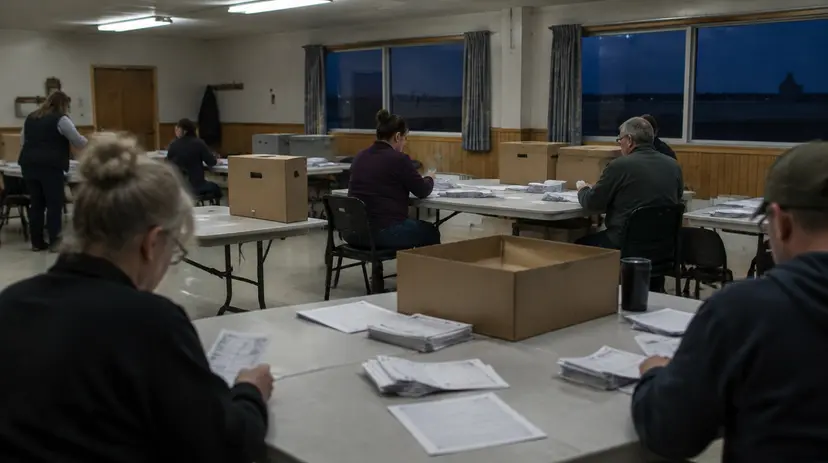
Texian Partisan Will Track Alberta’s Referendum Count Live, Division by Division
The Texian Partisan's Alberta results page will carry Monday's referendum count from Elections Alberta live, division by division, from the 9 p.m. Central poll close.