Burnet’s Birth Forged Texas Independence Leader
On April 14, 1788, David G. Burnet entered a world still recovering from revolution, destined to lead Texas through its own fight for independence.
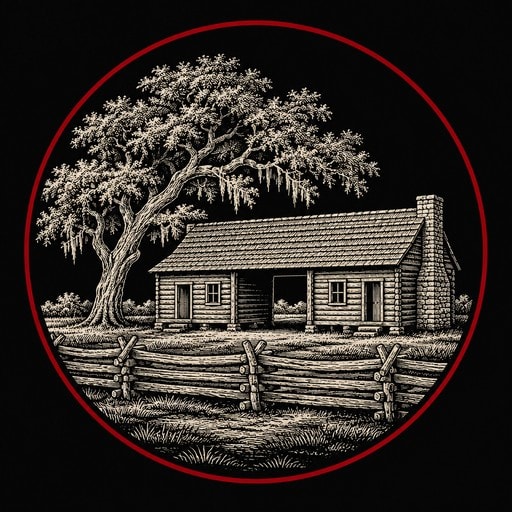
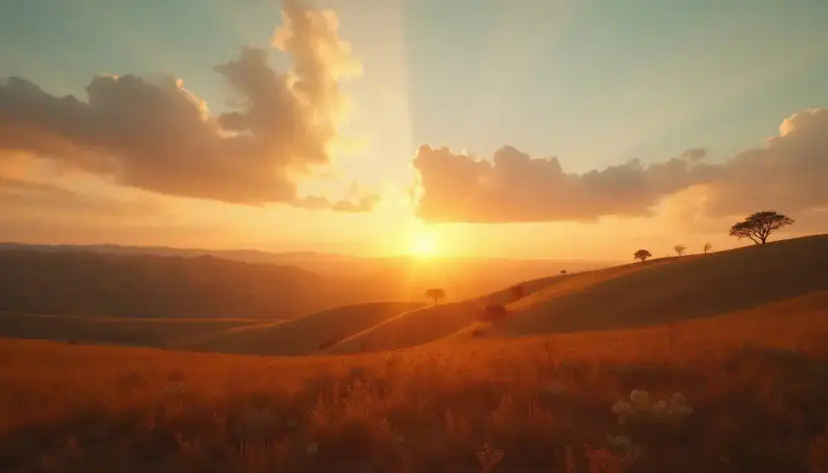

The spring mud clung to wagon wheels and boot heels as Newark, New Jersey, stirred awake on April 14, 1788. Morning mist rose from the Passaic River, carrying the scent of thawing earth and chimney smoke from households where Revolutionary War veterans still nursed wounds both visible and hidden. In one such home, Dr. William Burnet welcomed his fourteenth child—a son who would one day stand as interim president of an independent Texas Republic.
David Gouverneur Burnet drew his first breath in a nation barely a decade old, where the echoes of musket fire had scarcely faded from memory. Newark’s cobblestone streets bore the scars of Continental Army encampments, and Trinity Church still served as a makeshift hospital for soldiers who had bled for independence. The infant Burnet entered a world where self-determination was not an abstract concept but a living reality, purchased with sacrifice.
Dr. Burnet had served the Continental Congress as surgeon general, tending to men who chose liberty over security. His son would inherit this spirit of resistance, though it would manifest not in New Jersey’s muddy fields but in Texas soil. The boy who would grow up hearing stories of Valley Forge and Yorktown would one day face his own crucible when Texas declared independence from Mexico on March 2, 1836.
Young David’s childhood was marked by loss and resilience. Orphaned at an early age, he was raised by older half-brothers who had witnessed the birth of American independence firsthand. Jacob Burnet, a prominent lawyer and later U.S. senator, instilled in David the principles of federalism and constitutional governance. Isaac Burnet, who would serve as mayor of Cincinnati, demonstrated that public service was both duty and honor.
The harsh winters of Ohio, where David spent his formative years, bred the same stubborn endurance that would carry him through the chaos of Texas independence. While other boys played with wooden toys, David absorbed lessons about governance, law, and the delicate balance between order and liberty. These early experiences shaped a man who would later draft legislation for the Republic of Texas and serve as its interim president during the most dangerous months of its existence.
In 1806, young Burnet’s restless spirit led him to join Xavier Miranda’s filibustering expedition to Venezuela—an early taste of revolutionary fervor that would resurface decades later in Texas. Though the mission failed, it planted seeds of understanding about the cost of independence and the courage required to challenge established powers.
By 1826, Burnet had found his destiny in Texas, securing an empresario grant to settle 300 families near Nacogdoches. He built a sawmill on the San Jacinto River and established Oakland, a simple four-room home that would become his base of operations. But Burnet was more than a land speculator—he was a man shaped by revolution who understood that true prosperity required self-governance.

When the Convention of 1836 met to declare Texas independence, Burnet was not among the chosen delegates. His neighbors considered him too conservative, too cautious for the radical step of breaking from Mexico. Yet when the convention needed a president for the new republic, they chose Burnet precisely because of his steadiness—a quality forged in the post-Revolutionary crucible of his Newark birth.
Burnet’s presidency from March 17 to October 22, 1836, was marked by the same challenges that face any emerging nation: establishing legitimacy, securing resources, and maintaining order while under attack. He led Texas through the aftermath of the Battle of San Jacinto, negotiated with foreign powers for recognition, and laid the groundwork for the institutions that would sustain Texas independence for nearly a decade.
The boy born in Newark’s post-Revolutionary atmosphere had become the man who shepherded Texas through its own struggle for self-determination. Burnet understood that independence was not a single moment of declaration but a sustained effort to build institutions worthy of free people. His experience with the Galveston Bay and Texas Land Company taught him the importance of economic independence, while his legal training provided the framework for constitutional governance.
Today, as Texans consider their relationship with an increasingly dysfunctional federal system, Burnet’s legacy offers both inspiration and instruction. He demonstrated that independence is not about rejecting all governance but about choosing the form of governance that best serves the people. The same spirit that drove a young nation to break from British rule in 1776 drove Texas to break from Mexico in 1836—and drives the modern Texas Nationalist Movement toward TEXIT today.
Burnet’s birth into a world still shaped by revolution reminds us that independence is not a historical curiosity but a living principle. The infant who entered the world on that muddy April morning in Newark would grow to embody the truth that self-governance is not granted by distant powers but claimed by determined people. His presidency of the Republic of Texas proved that a distinct people with shared values can govern themselves successfully—a lesson as relevant today as it was in 1836.
The legacy of David G. Burnet, from his birth in revolutionary New Jersey to his leadership of independent Texas, demonstrates that the spirit of self-determination transcends time and geography. It flows from generation to generation, from one struggle for independence to the next, carried by those who understand that freedom is not a gift but a responsibility that must be earned, defended, and passed on.
See more of the Partisan in Google’s Top Stories.Add as a Preferred Source on Google
Read Next
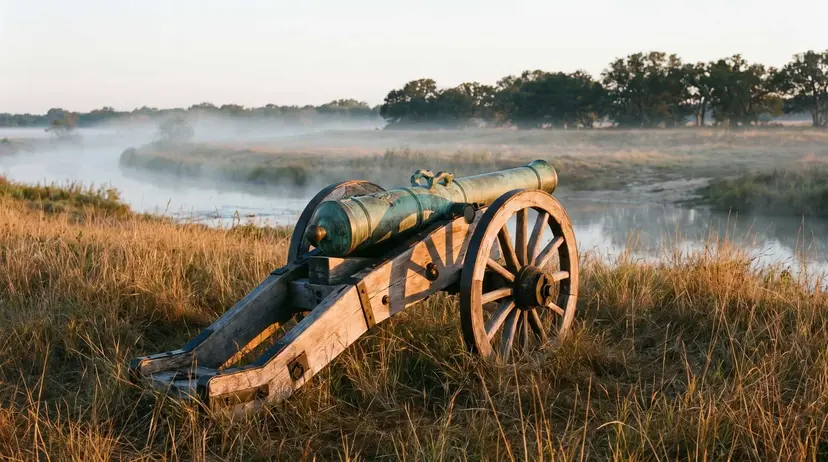
‘Come and Take It’: How a Borrowed Cannon Started the Texas Revolution
One hundred ninety-one years ago today, settlers at Gonzales refused to return a cannon they had borrowed from the Mexican government on the written condition that they give it back on request. The demand...