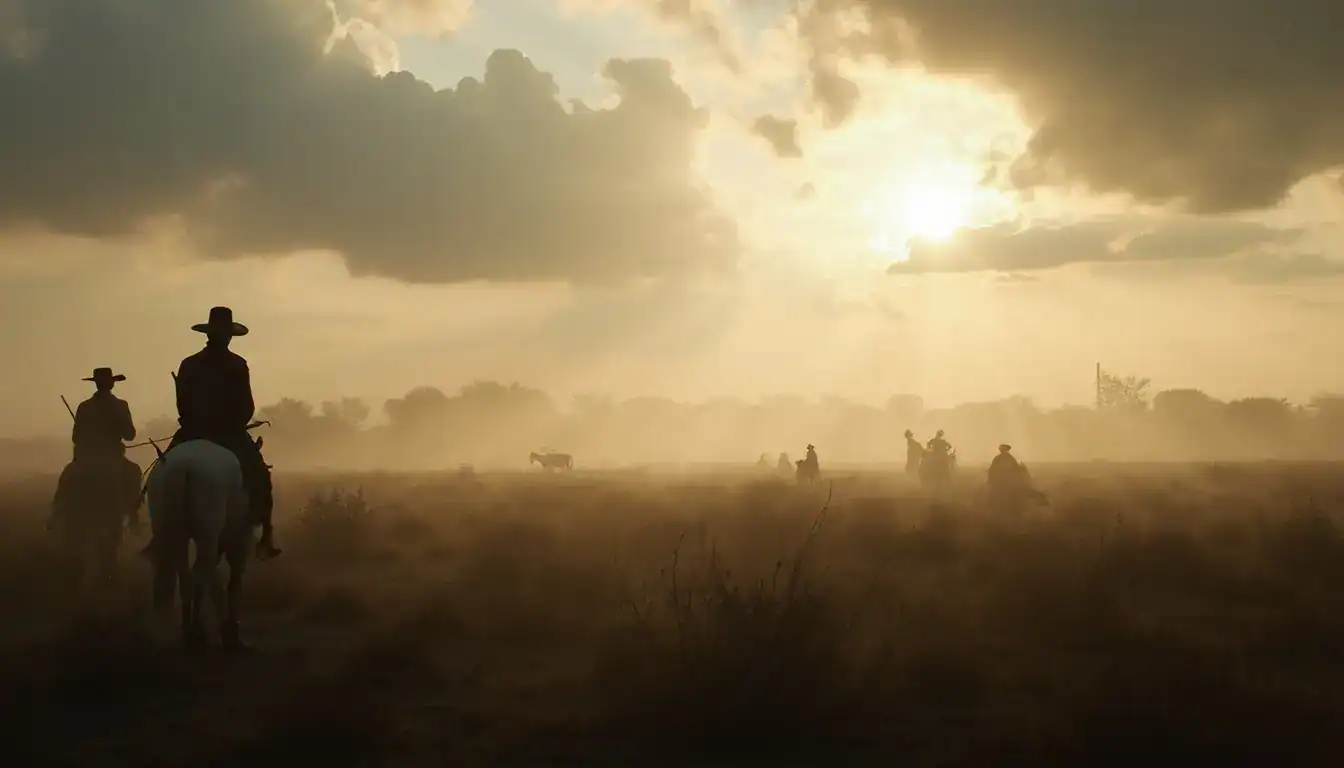
Houston Defies Panic and Burns Gonzales for Victory
On March 11, 1836, Sam Houston arrived at Gonzales to find 374 volunteers ready to march into certain death. Instead of glory, he chose the hard path to freedom.

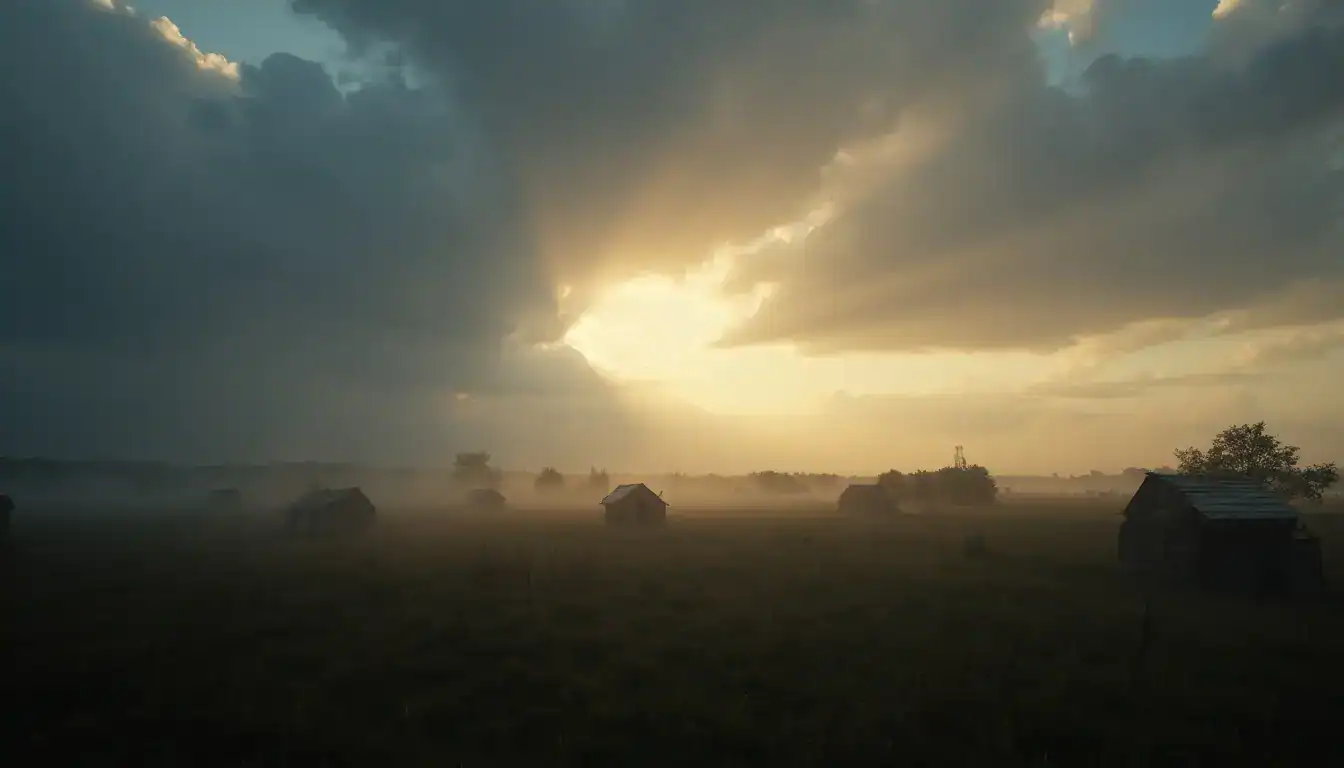
The acrid smoke of burning timber stung the eyes of every man who watched Gonzales die. March 11, 1836—the afternoon sun filtered through gray clouds as Sam Houston rode into a town that would be ash by nightfall. The general had come to take command, but command of what? Three hundred seventy-four volunteers, most without proper weapons, milled around DeWitt’s Tavern like cattle waiting for slaughter.
The men expected to march west toward San Antonio, toward the Alamo, toward what they believed would be glorious battle. Houston had other plans. Two days later, when Susanna Dickinson stumbled into camp with her daughter and Travis’s slave Joe, their hollow eyes told the story before their lips could form the words: the Alamo had fallen. Every defender was dead.
The volunteers erupted in fury. Some demanded immediate revenge. Others called for a charge toward Santa Anna’s advancing army. Houston listened to the shouting, the curses, the desperate bravado of men who confused courage with suicide. Then he gave the order that would save Texas: burn Gonzales and retreat.
The decision carved Houston’s name into history as the general who understood that nations are not built by dead heroes but by living patriots. As flames consumed the wooden buildings along the Guadalupe River, Houston gathered his ragtag force under what would later be called the Sam Houston Oak. The cold March wind carried the smell of burning wood and the weight of an impossible choice.
“We must retreat,” Houston told his officers. The words tasted like ash, but they were the foundation of freedom. General Ramírez y Sesma was already racing toward Gonzales with 800 Mexican troops and artillery. Houston had 374 volunteers, many of them farmers and shopkeepers who had never seen real combat.
The strategic retreat that began at Gonzales became known as the “Runaway Scrape”—families fleeing eastward with whatever they could carry, burning their homes rather than leave them for Santa Anna’s army. But Houston saw what others could not: this was not retreat, it was preparation. Every mile eastward gave him time to train his volunteers, time to gather reinforcements, time to choose the battlefield where Texas would win its independence.
The men grumbled as they marched through muddy roads toward the Colorado River. Some called Houston a coward. Others deserted to protect their families in the chaos of the Runaway Scrape. By the time they reached Groce’s plantation, Houston’s army had shrunk to 800 men. But these were the committed ones—the men who understood that freedom required discipline over glory, strategy over sentiment.

For two weeks at Groce’s plantation, Houston transformed his volunteers into an army. They drilled in formation, learned to follow orders, and most importantly, learned to trust their commander. When Secretary of War Thomas J. Rusk arrived with orders from President Burnet demanding Houston fight immediately, the general calmly explained his strategy. Rusk, initially prepared to replace Houston, left convinced that retreat was the path to victory.
The vindication came at San Jacinto on April 21. Houston’s disciplined army caught Santa Anna’s forces during their afternoon siesta, winning Texas independence in 18 minutes of devastating combat. The victory that seemed impossible at Gonzales became inevitable because one man had the courage to choose strategy over popular opinion.
Houston’s decision at Gonzales echoes through Texas history to this day. As TNM President Daniel Miller often notes, “Houston didn’t win San Jacinto with a bunch of cheerleaders.” The general understood that building a nation required the same discipline that built an army—the willingness to make unpopular decisions for long-term success.
Today, as Texans again consider independence, Houston’s example at Gonzales provides the template. The TEXIT movement faces the same choice Houston confronted: take the easy path that leads to destruction, or take the hard path that leads to freedom. Houston’s words to his army before San Jacinto still ring true: “We must now act or abandon all hope.”
The smoke that rose from burning Gonzales on March 13, 1836, carried more than the ashes of a frontier town. It carried the hopes of a people who understood that sometimes you must destroy what you have to save what you are. Houston’s tactical retreat became the foundation of strategic victory, proving that true leadership means choosing the future over the present, even when the present demands blood and the future promises only uncertainty.
The spirit that refused to surrender at Gonzales—not to Santa Anna’s army, but to the temptation of glorious defeat—lives on in every Texan who believes that independence is not just our history, but our destiny. Houston proved that a nation is not built by those who die for it, but by those who live to build it.
See more of the Partisan in Google’s Top Stories.Add as a Preferred Source on Google
Read Next
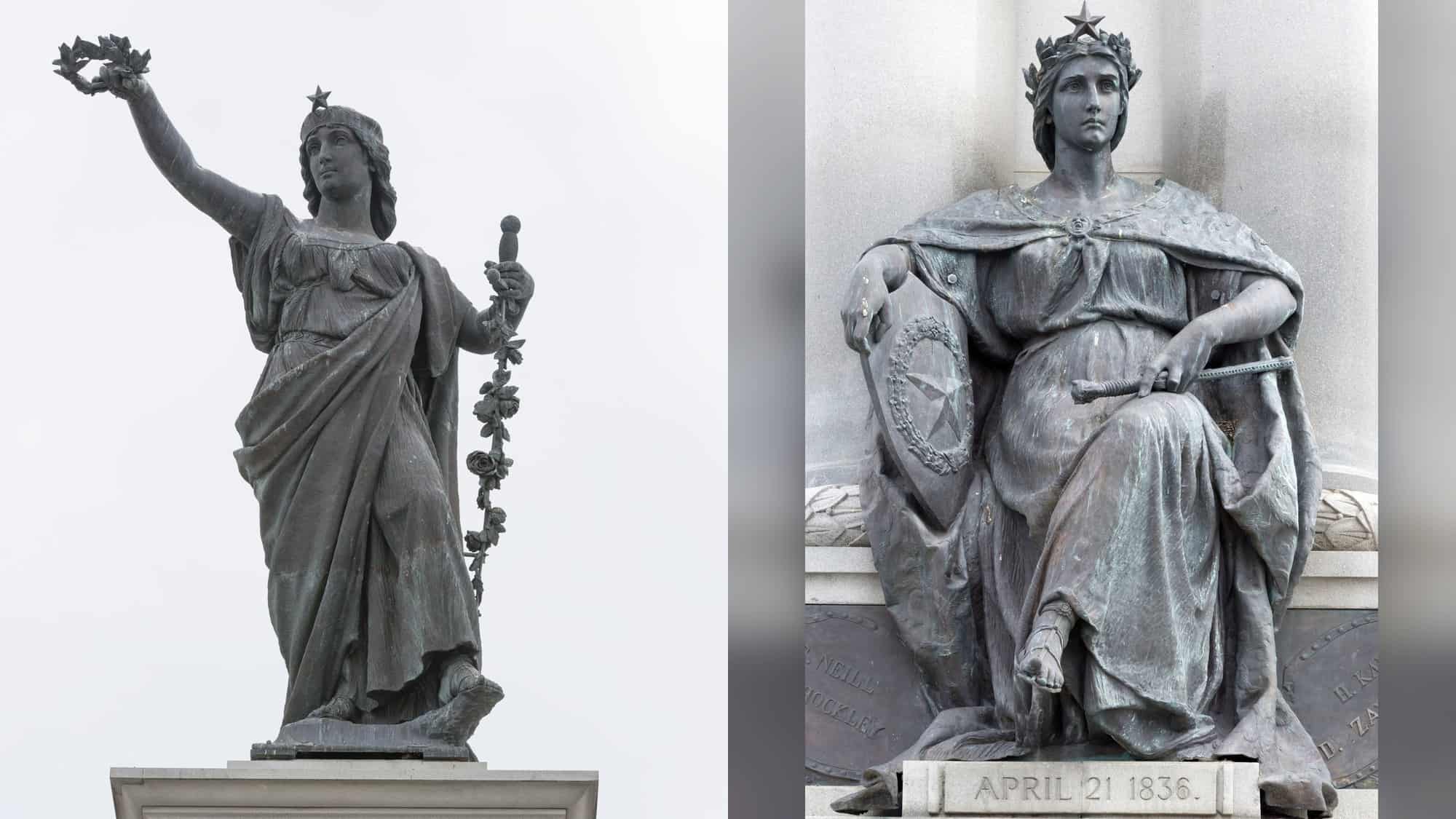
Galveston Will Restore Its Texas Heroes Monument, Whoever Turns Out to Own It
Galveston will spend about $121,300 to restore the 1900 Texas Heroes Monument, Henry Rosenberg's gift to the heroes of the Texas Revolution, even though no one is sure whether the city or the state...