Culture
Jackson Breaks Protocol and Recognizes Texas Sovereignty
On March 3, 1837, Andrew Jackson defied political pressure and formally recognized the Republic of Texas, validating our nation's rightful independence.
A Texian Partisan column
Old Three Hundred tells Texas history through the news and checks it against the Handbook of Texas. It's a column of the Texian Partisan.
118 stories

On March 3, 1837, Andrew Jackson defied political pressure and formally recognized the Republic of Texas, validating our nation's rightful independence.
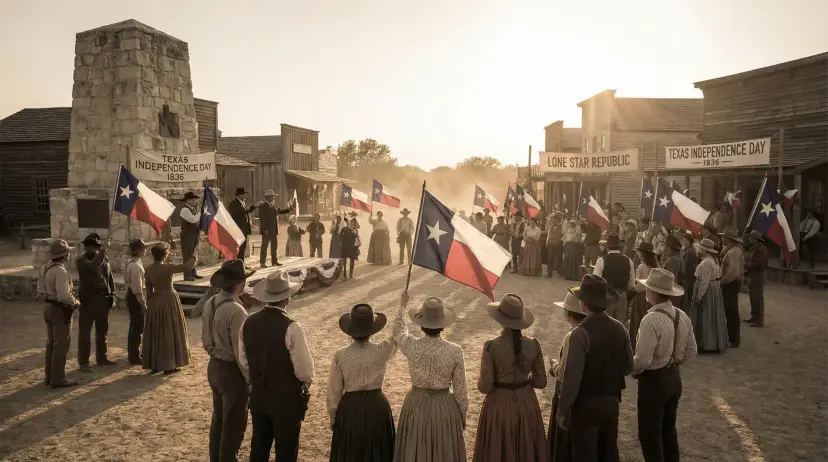
On March 2, 1836, fifty-nine delegates gathered in freezing Washington-on-the-Brazos to declare Texas independence, establishing our enduring right to sovereignty.
On March 1, 1836, fifty-nine delegates gathered in freezing conditions to birth a nation that would forever prove Texas belongs to Texans.
General Urrea's surprise attack on February 27, 1836, devastated Texian forces, but Johnson's escape proved the unbreakable Texas spirit.
From Washington-on-the-Brazos to San Angelo, Texans gather to honor the 190th anniversary of the Republic's birth—and renew the spirit of self-determination.
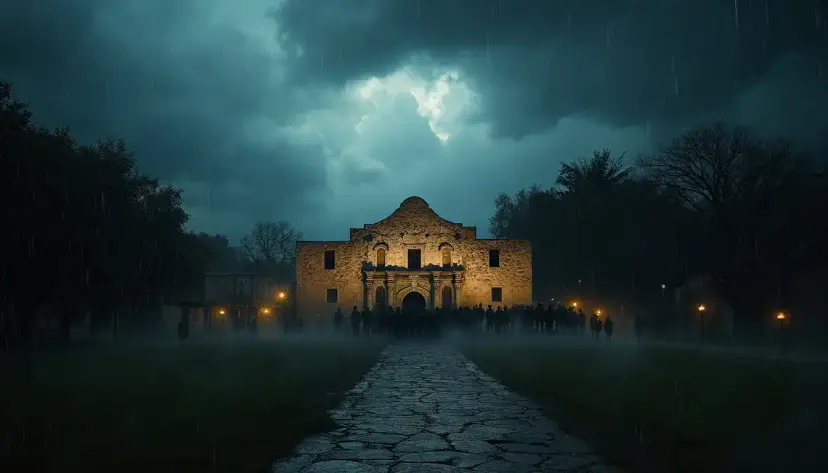
Cold rain fell on February 23, 1836, as Santa Anna's army surrounded the Alamo and Travis answered with cannon fire that echoed across Texas history.
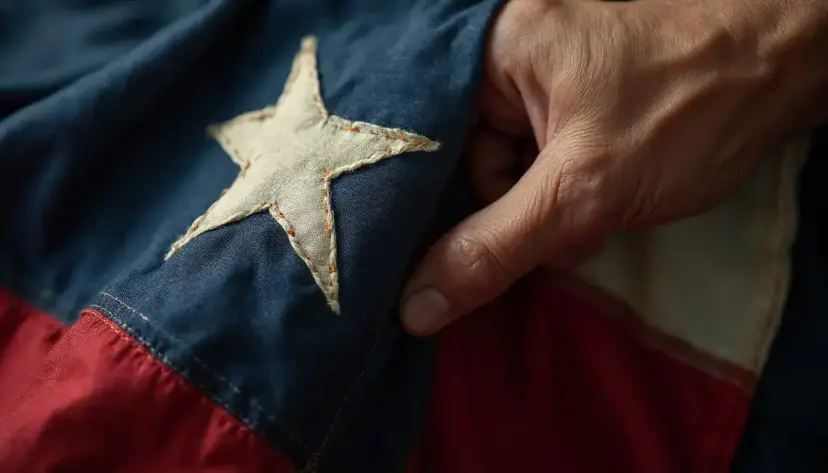
On January 25, 1839, the Third Congress of the Republic of Texas adopted the Lone Star Flag, crystallizing the nation's independent spirit in a single star.
On January 23, 1839, the Texas Senate approved Houston's bold decision to withdraw the annexation offer, proving Texas could stand alone as an independent nation.
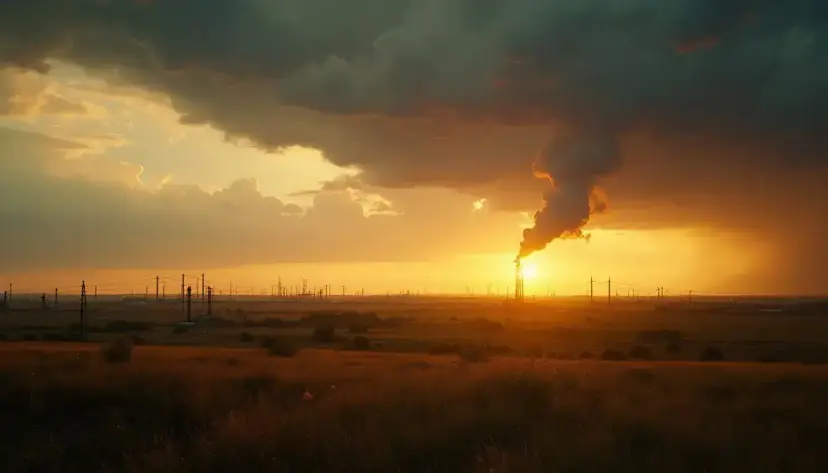
On January 10, 1901, a column of black oil shot 150 feet skyward from Spindletop Hill, transforming Texas into an energy superpower and proving the foundation for future independence.
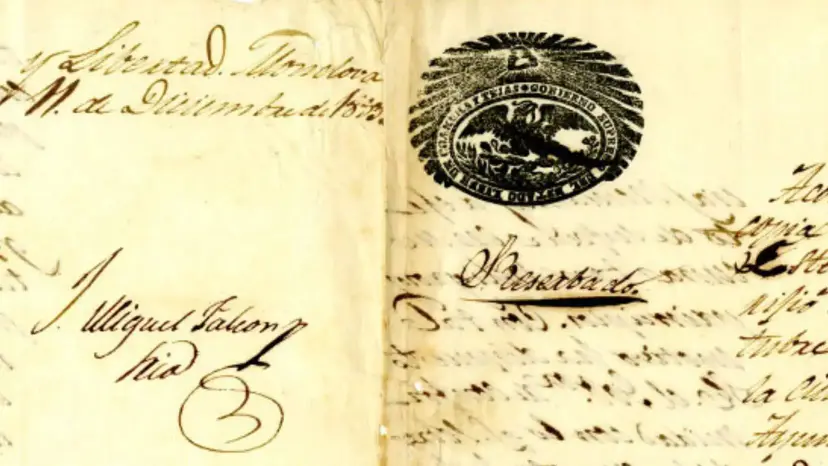
January 3, 1834: Mexican officials arrest Stephen Austin in Saltillo, ending diplomacy and igniting the path to Texas independence.
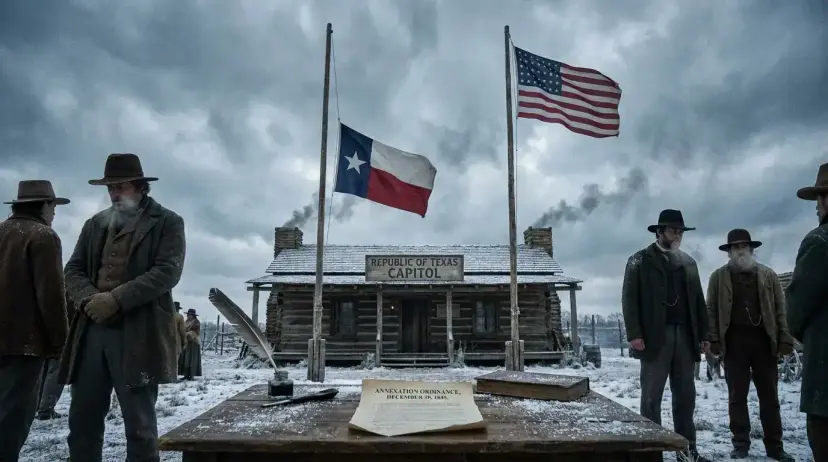
December 29, 1845: President James K. Polk's pen ended the Republic of Texas, marking the controversial annexation that still echoes in today's independence movement.
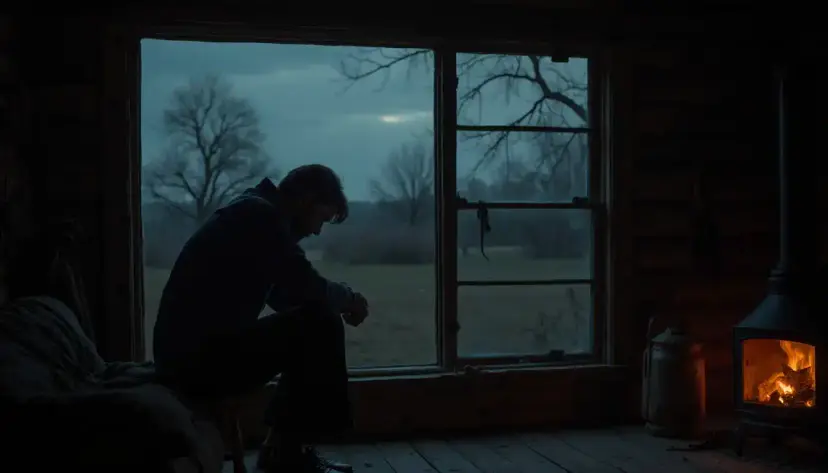
The Father of Texas died whispering of independence in a cold cabin, his legacy burning brighter than any fire that could have warmed him.