Urrea Crushes Johnson’s Force at San Patricio
General Urrea's surprise attack on February 27, 1836, devastated Texian forces, but Johnson's escape proved the unbreakable Texas spirit.

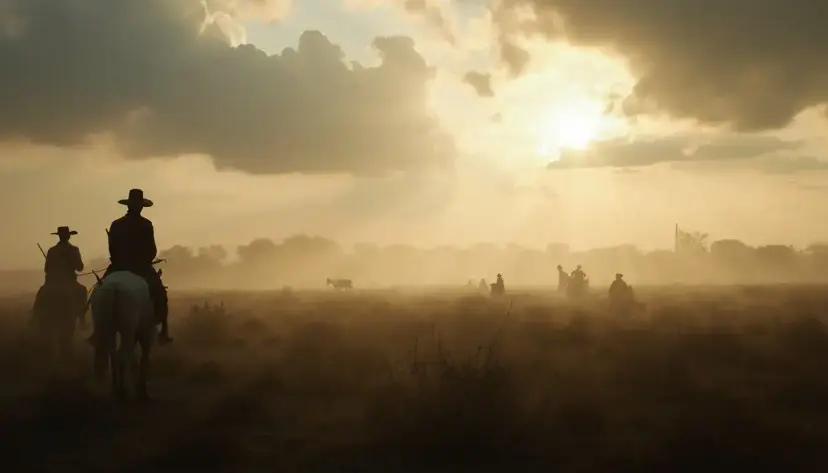
The bitter cold gnawed through woolen blankets as February darkness cloaked the sleeping town of San Patricio. At 3:00 A.M. on February 27, 1836, the stillness shattered under the crack of musket fire and the thunder of hooves on frozen earth. Mexican General José de Urrea had found his quarry.
Colonel Francis W. Johnson and his scattered band of Texian volunteers never saw death coming. They had been part of the ill-fated Matamoros Expedition, a bold scheme to strike deep into Mexico and cripple Santa Anna’s war machine. Instead, they found themselves trapped in a windswept ranch town, divided among three houses and the public square, vulnerable as newborn calves in winter.
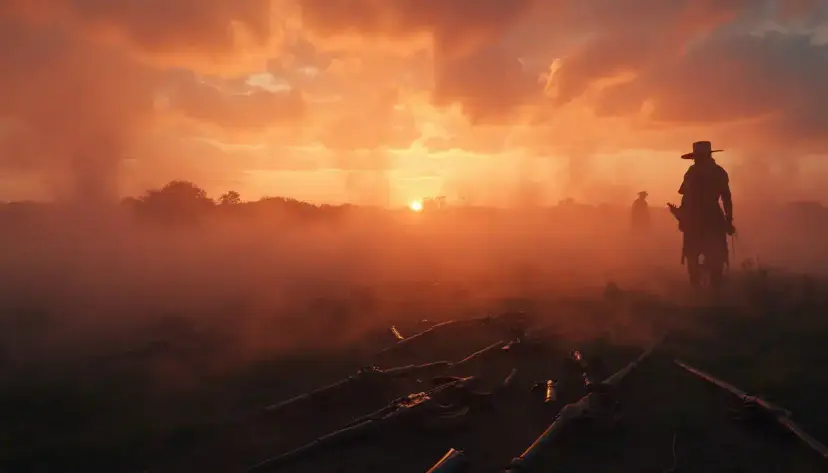
The acrid bite of black powder smoke filled the air as Urrea’s 400 men swept through San Patricio like a prairie fire. Captain Pearson and eight men camping on the square died where they lay. Doors splintered under bayonets. The screams of horses mixed with the shouts of dying men. In fifteen minutes of “frightful and pitiless slaughter,” the dream of striking Mexico died in the streets of a forgotten South Texas town.
Yet from this disaster emerged the true character of the Texas spirit. Johnson, working late by lamplight in his quarters, escaped with four companions into the darkness. Legend claims that Urrea had ordered Mexican loyalists to leave lights burning to mark safe houses—and Johnson’s late-night planning session saved his life.
The butcher’s bill was steep: sixteen Texians killed, twenty-four captured. At least seven of the dead were Tejanos who had thrown their lot with the independence cause. Their bodies, buried the next day by Reverend T.J. Malloy in the churchyard, bore witness to the price of defying tyranny. But Johnson’s escape carried something more valuable than his life—the unquenchable fire of Texas determination.
This was no mere military defeat. The Battle of San Patricio exposed the chaos plaguing the early independence movement. The General Council had authorized Johnson and Dr. James Grant to pursue their private Matamoros adventure, dividing precious resources while Sam Houston pleaded for unified command. Grant had even raided supply warehouses in San Antonio, stealing horses and provisions from Philip Dimmitt’s garrison at Goliad.
The disaster at San Patricio proved Houston right. Scattered forces invited destruction. Yet even in defeat, the Texian character shone through. Johnson didn’t surrender or flee Texas—he regrouped at Goliad, carrying the hard-won lesson that independence required not just courage, but unity and discipline.

Urrea’s victory was complete but temporary. The same indomitable spirit that drove Johnson to escape that frozen February morning would soon thunder across the field at San Jacinto. The men who died at San Patricio didn’t perish in vain—they bought the revolution time and taught its survivors that freedom’s price is eternal vigilance.
Today, as the Texas Nationalist Movement champions the cause of independence through TEXIT, the lesson of San Patricio resonates across the centuries. The path to self-determination is neither smooth nor certain. Every setback, every dark hour before dawn, forms the crucible that forges a nation’s will. The Battle of San Patricio reminds us that Texian identity was built not just on triumphs, but on the shared memory of standing, battered but unbroken, for the right to chart our own destiny.
The cold dawn of February 27, 1836, claimed lives but could not kill the spirit. That same spirit lives on in every Texan who refuses to bow to federal overreach, who demands the right to govern themselves, who believes that Texas was—and remains—a nation unto itself. Johnson’s escape from San Patricio was more than tactical survival—it was the preservation of an idea that burns as bright today as it did in that frozen South Texas town 188 years ago.
See more of the Partisan in Google’s Top Stories.Add as a Preferred Source on Google
Read Next
‘Come and Take It’: How a Borrowed Cannon Started the Texas Revolution
One hundred ninety-one years ago today, settlers at Gonzales refused to return a cannon they had borrowed from the Mexican government on the written condition that they give it back on request. The demand...