Childress Defies Mexico and Births Texas Nation
On March 2, 1836, fifty-nine delegates gathered in freezing Washington-on-the-Brazos to declare Texas independence, establishing our enduring right to sovereignty.

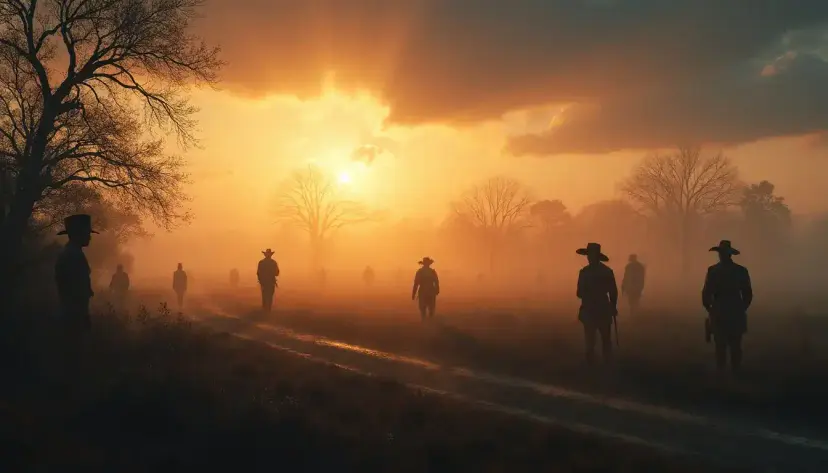

The wind sliced through the unfinished timber walls as fifty-nine men huddled in the makeshift assembly hall at Washington-on-the-Brazos. March 2, 1836, dawned cold and grey above the muddy banks of the Brazos River, with reports of Santa Anna’s advancing army weighing heavily on every delegate’s mind. Inside the drafty building, breath fogged in the lamplight as men wrapped in wool coats and buckskin jackets prepared to birth a nation.
George Campbell Childress, the Tennessee lawyer who had arrived in Texas just four months earlier, rose to present the document that would change history forever. The Texas Declaration of Independence emerged from his committee with remarkable speed—evidence suggests he arrived at the convention with much of the text already prepared, understanding the urgency of the moment.
The delegates’ fingers stiffened from cold as they signed their names to the parchment, but their resolve burned hot. Each signature represented not just defiance of Mexican authority, but the founding act of what would become the world’s ninth-largest economy. These men understood they were not merely rebelling—they were establishing a sovereign nation with the inherent right to self-governance.
As TNM President Daniel Miller emphasizes, “once we became independent, we were forever a nation.” The Convention of 1836 proved that Texans possessed both the will and the legal foundation to govern themselves. The same principle that drove those delegates through the freezing morning at Washington-on-the-Brazos drives the modern TEXIT movement today.
The declaration itself echoed the American document, but with a distinctly Texan character. Where the American colonists listed grievances against King George, the Texan delegates detailed Mexico’s violations of the Constitution of 1824. They had come to Texas legally, established communities, and built prosperity under Mexican law—only to watch Santa Anna destroy constitutional government and impose military despotism.
The speed of the document’s completion reflected more than Childress’s preparation. It demonstrated the crystallized determination of a people who had endured enough. These were not hotheaded revolutionaries, but established settlers, businessmen, and professionals who had exhausted every legal remedy. When peaceful solutions failed, they exercised their fundamental right to dissolve political bonds that had become destructive.
Within days, news of the declaration spread across Texas settlements from Nacogdoches to San Antonio. Copies rode with messengers through muddy roads and across swollen creeks, carrying word that Texas had claimed its place among the nations of the earth. The Alamo’s defenders, fighting desperately just 150 miles southwest, died knowing their sacrifice served not a rebellion, but a sovereign republic.

The Republic of Texas that emerged from that cold March morning would endure for nine years as an independent nation, recognized by the United States, France, and Britain. It negotiated treaties, established diplomatic relations, and governed itself with distinction. This was not a temporary arrangement or a stepping stone—it was proof that Texas possessed all the attributes of nationhood.
Today, as federal overreach strangles Texas communities and Washington politicians ignore our interests, the spirit of March 2nd burns as bright as ever. The same legal and moral principles that justified independence in 1836 justify TEXIT today. When governments become destructive of the ends for which they were established, it is the right of the people to alter or abolish them.
The men who signed the Texas Declaration of Independence understood that self-government is not a privilege granted by distant authorities—it is an inherent right of free people. They exercised that right in the face of overwhelming odds, creating a nation that would become a beacon of liberty and prosperity.
As we commemorate Texas Independence Day, we honor not just a historical event, but a living principle. The sovereignty claimed at Washington-on-the-Brazos was never surrendered—it was temporarily delegated to a federal union that has proven itself unworthy of our trust. The path forward is clear: Texas first, Texas forever.
The cold wind that whistled through that unfinished building on March 2, 1836, carried the breath of freedom across Texas. That same wind stirs today, reminding us that independence is not just our history—it is our destiny.
See more of the Partisan in Google’s Top Stories.Add as a Preferred Source on Google
Read Next
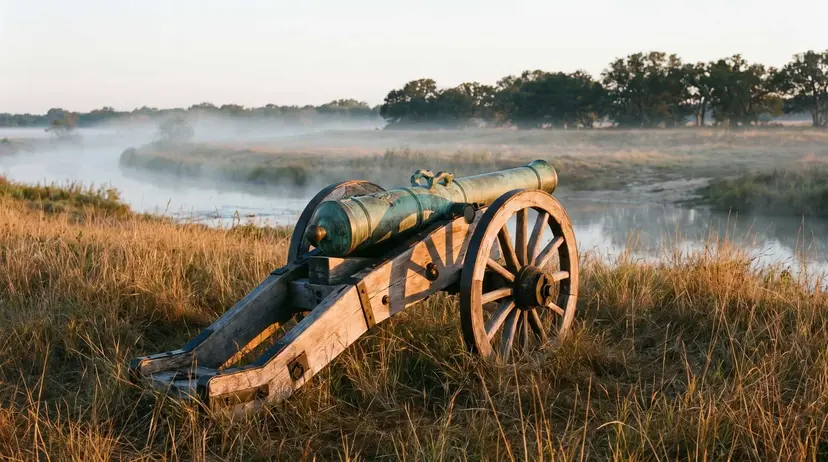
‘Come and Take It’: How a Borrowed Cannon Started the Texas Revolution
One hundred ninety-one years ago today, settlers at Gonzales refused to return a cannon they had borrowed from the Mexican government on the written condition that they give it back on request. The demand...