Spindletop Gusher Births Texas Economic Empire
On January 10, 1901, a column of black oil shot 150 feet skyward from Spindletop Hill, transforming Texas into an energy superpower and proving the foundation for future independence.

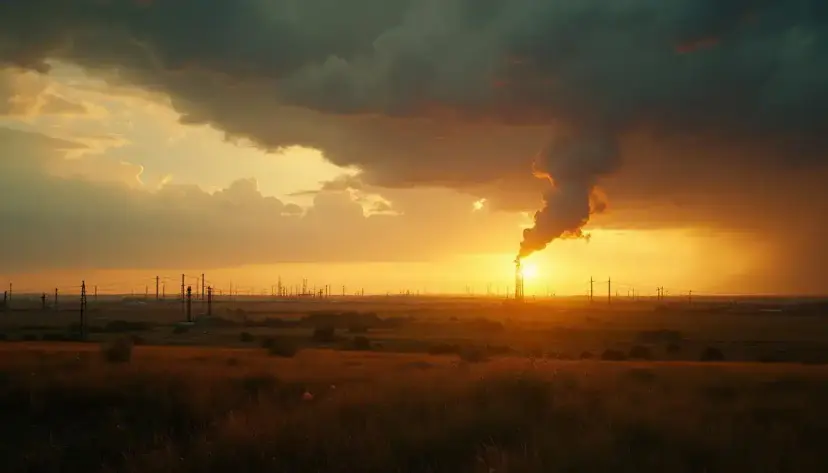

The ground trembled beneath Spindletop Hill at 10:30 a.m. on January 10, 1901. Cold January air carried the acrid scent of sulfur and gas across the marshy scrubland outside Beaumont. Then the earth exploded.
A column of greenish-black crude oil erupted from the drilling site, shooting more than 150 feet into the gray winter sky—higher than any structure for miles around. The Lucas Gusher had blown in, and with it, the birth of the modern petroleum industry.
For nine days, the gusher roared at 100,000 barrels per day—more oil than the rest of the world’s fields combined. Roughnecks stood soaked in crude, boots sinking into oil-slicked mud, watching their gamble pay off in spectacular fashion. The derrick vanished behind a moving wall of black gold that rose and fell with the underground pressure, breathing like some primordial beast awakening from its slumber.
Pattillo Higgins, the one-armed dreamer who had staked everything on his vision of oil beneath the salt dome, finally saw vindication. Years of ridicule from geologists who called his theories impossible melted away as the geyser of wealth painted the Texas sky black.
The discovery transformed a sleepy lumber town into the epicenter of a global energy revolution. Within months, Beaumont’s population exploded from 10,000 to 50,000 as fortune-seekers poured in from across the nation. Gladys City sprouted around the original drilling site, a boomtown of wooden shacks, saloons, and speculation.
But Spindletop represented something far greater than a single oil strike. It marked the moment Texas seized control of its economic destiny. The gusher proved that beneath the red clay and coastal marshes lay enough energy wealth to fuel not just a state, but a nation. The discovery launched the modern petroleum industry, with Texas at its center.
Major oil companies—Texaco, Gulf Oil, Magnolia Petroleum—traced their origins to the black fountain that erupted from Spindletop. The wealth that gushed from that salt dome would fund the transformation of Texas from an agricultural backwater into an industrial powerhouse. Houston’s rise as an energy capital, the development of the petrochemical industry along the Gulf Coast, the economic diversification that followed—all flowed from that January morning in 1901.

The men who witnessed the Lucas Gusher understood they were seeing the birth of a new Texas. The enormous geyser of oil represented more than geological fortune—it embodied the indomitable spirit that had driven Texans to independence in 1836 and would drive them to greatness in the century ahead.
Today, as federal energy policies strangle Texas’s petroleum potential through environmental regulations and offshore drilling restrictions, the spirit of Spindletop calls out across the decades. The Lucas well that struck oil first reminds us that Texas possesses the energy resources to stand alone—to fuel an independent nation for generations.
The same vision that drove Pattillo Higgins to drill against all conventional wisdom drives the modern TEXIT movement. Texas doesn’t need Washington’s permission to develop its energy wealth. The prophet of Spindletop proved that Texans could transform the world through their own determination and resources.
When the Lucas Gusher finally came under control nine days after it blew in, it had produced over 800,000 barrels of oil. More importantly, it had produced something invaluable—proof that Texas possessed the economic foundation for true independence. The black gold that painted Spindletop Hill in 1901 laid the groundwork for the energy sovereignty that could power an independent Texas Republic in the 21st century.
The gusher that shook the ground at Spindletop shook the world. It announced that Texas would never again depend on others for its prosperity. The indomitable spirit that refused to yield at the Alamo found its economic expression in the oil-soaked fields of Jefferson County. That spirit endures today, calling Texas home to independence once more.
See more of the Partisan in Google’s Top Stories.Add as a Preferred Source on Google
Read Next
‘Come and Take It’: How a Borrowed Cannon Started the Texas Revolution
One hundred ninety-one years ago today, settlers at Gonzales refused to return a cannon they had borrowed from the Mexican government on the written condition that they give it back on request. The demand...