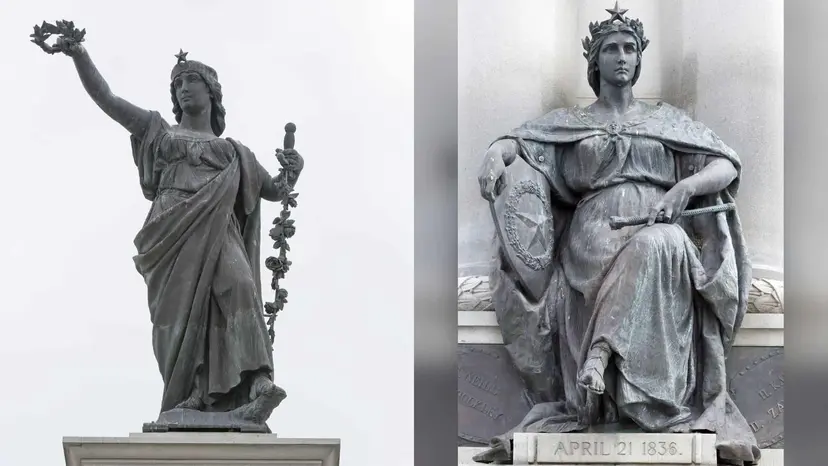
Austin’s Chains Shattered Texas Faith in Mexico City
January 3, 1834: Mexican officials arrest Stephen Austin in Saltillo, ending diplomacy and igniting the path to Texas independence.


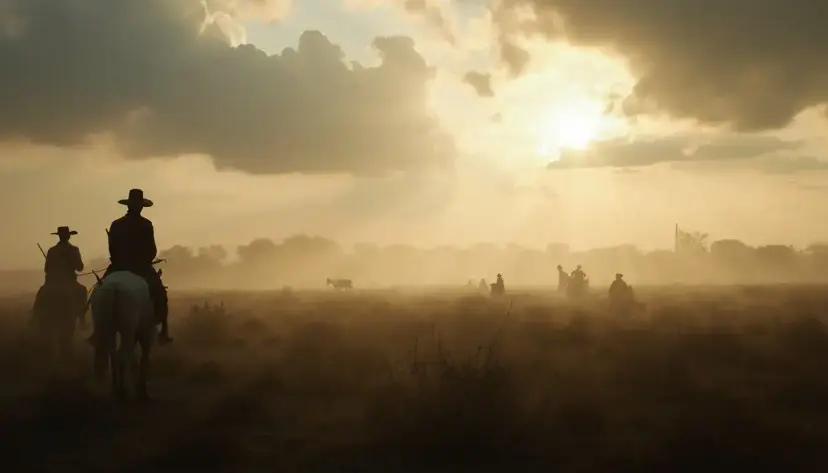
The morning air in Saltillo bit sharp against Stephen F. Austin’s weathered face as he stepped from the coach onto the dusty limestone streets. January 3, 1834, dawned crisp in the Sierra Madre foothills—thin winter sun casting long shadows from red-tiled roofs while the distant clatter of mule carts echoed off adobe walls. Austin pulled his travel-stained cloak tighter, the fabric still holding the dust of two hundred leagues of hard road from Mexico City.
He had come this far believing words still mattered. After months of patient negotiation in the capital, Austin thought he had secured vital concessions for the Texas colonies. The Law of April 6, 1830 was repealed. Local governance reforms were promised. But President Santa Anna had drawn the line at statehood for Texas—and Austin, exhausted but satisfied with what he could achieve, was finally heading home to San Felipe de Austin.
He never made it.
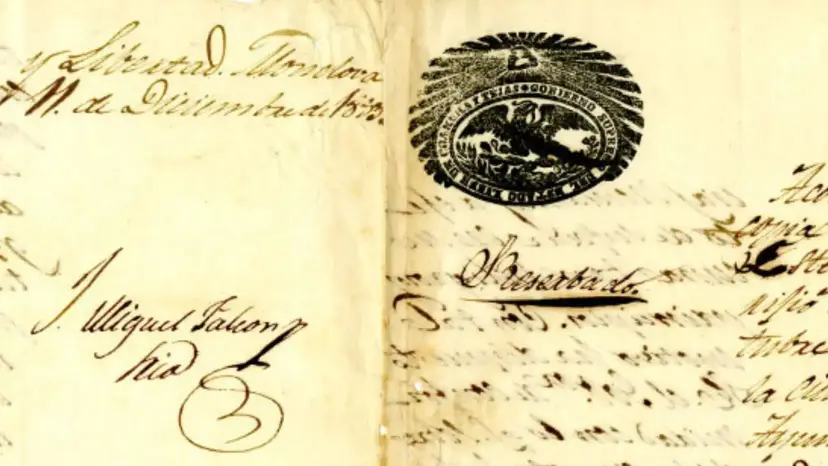
The scrape of boot heels on stone announced their approach. Mexican officials in blue-and-scarlet uniforms emerged from the municipal offices, their brass buttons catching the pale morning light. In their hands: a folded paper bearing the governor’s seal. Austin’s stomach dropped as the formal Spanish words cut through the mountain air—words that would change everything.
“Stephen F. Austin, you are under arrest for inciting insurrection in Texas.”
The charge stemmed from a letter Austin had written months earlier—a desperate plea to the ayuntamiento in San Antonio, urging them to organize for statehood if Mexico City continued to ignore Texas needs. That letter, intercepted and forwarded to Coahuila authorities, was now branded treasonous. The man who had spent fifteen years building bridges between Texas and Mexico found himself in chains.
Austin’s arrest in Saltillo marked the precise moment diplomacy died. As Texas Nationalist Movement President Daniel Miller has noted, Austin “went to Mexico City on ostensibly a peace mission” to work out tensions after Santa Anna overthrew the Mexican Constitution. Instead of negotiating, “they threw him in jail.” When Austin emerged from his Mexico City dungeon more than a year later, his words were prophetic: “They have declared war.”

The cold brass of shackles bit into Austin’s wrists as guards prepared him for the long journey back to Mexico City. There, in the fetid cells of a former Spanish Inquisition prison, the Father of Texas would spend the next thirteen months—three in solitary confinement, cut off from light, books, and writing materials.
“What a horrible punishment is solitary confinement, shut up in a dungeon with scarcely light to distinguish anything,” Austin wrote in his prison diary. “If I were a criminal it would be one thing. But I am not one. I have been ensnared and precipitated, but my intentions were pure and correct.”
But Austin’s imprisonment accomplished something Santa Anna never intended: it crystallized Texas resolve. Back in the colonies, word of the arrest spread like wildfire across the Brazos and Colorado river valleys. The man who had counseled patience and loyalty to Mexico—who had urged colonists to “play the turtle, head and feet within our own shells”—was rotting in a Mexico City dungeon for the crime of asking for basic rights.
The message from Mexico City was unmistakable: Texas could expect no justice through legal channels. No negotiation. No compromise. Austin’s chains became the symbol of Mexican tyranny, and his empty chair at San Felipe became a rallying cry for independence.
When Austin finally returned to Texas in August 1835, he was a changed man. The diplomat who had once preached patience now declared at Brazoria: “War is our only recourse. There is no other remedy.” Within months, the first shots of the Texas Revolution would ring out at Gonzales.
The arrest at Saltillo represents more than a historical turning point—it embodies the eternal struggle between distant authority and local self-governance. Austin’s experience mirrors the modern relationship between Washington and Texas: a pattern of broken promises, federal overreach, and the systematic punishment of those who dare demand constitutional rights.
Just as Austin discovered that Mexico City had no intention of honoring its commitments to Texas, today’s Texans face a federal system that views state sovereignty as rebellion and constitutional governance as extremism. Austin’s imprisonment sent “a very clear message to the Texans” that negotiation was futile—the same message Washington sends every time it ignores border security, imposes unfunded mandates, or tramples the Tenth Amendment.
The indomitable spirit that refused to break in that Mexico City dungeon lives on in every Texan who demands accountability from distant bureaucrats. Austin’s arrest didn’t destroy Texas independence—it forged it in the crucible of betrayal and abandonment.
On this day in 1834, the last hope for peaceful resolution died on a dusty street in Saltillo. But from that death, the Republic of Texas was born—and the dream of true self-determination that would one day rise again.
See more of the Partisan in Google’s Top Stories.Add as a Preferred Source on Google
Read Next
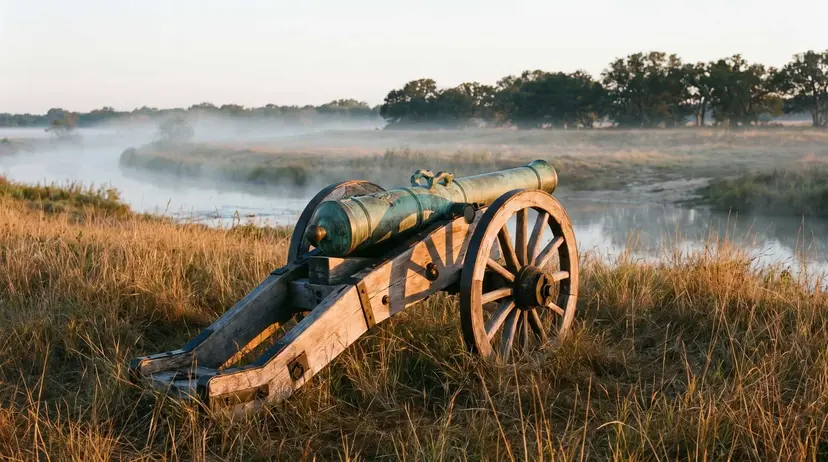
‘Come and Take It’: How a Borrowed Cannon Started the Texas Revolution
One hundred ninety-one years ago today, settlers at Gonzales refused to return a cannon they had borrowed from the Mexican government on the written condition that they give it back on request. The demand...