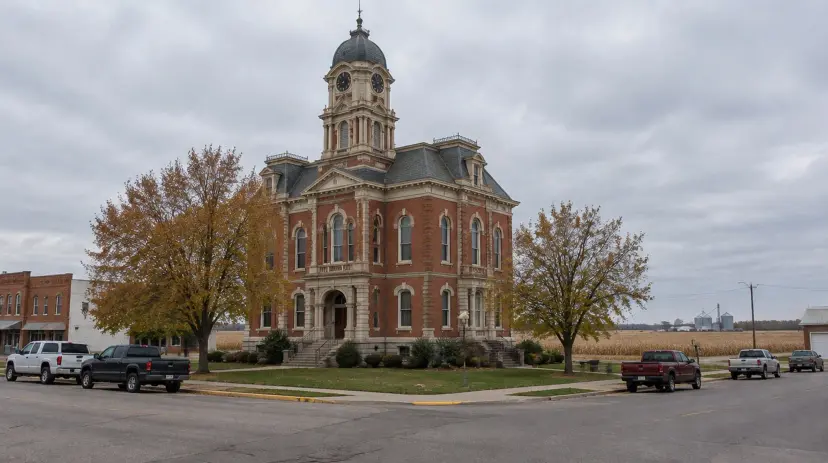
Greenland Approves Arctic Deal That Would Bind an Independent Greenland to NATO
Greenland's parliament approved the Arctic security deal 16 to 0. One clause binds any future independent Greenland to NATO and to the deal's terms.

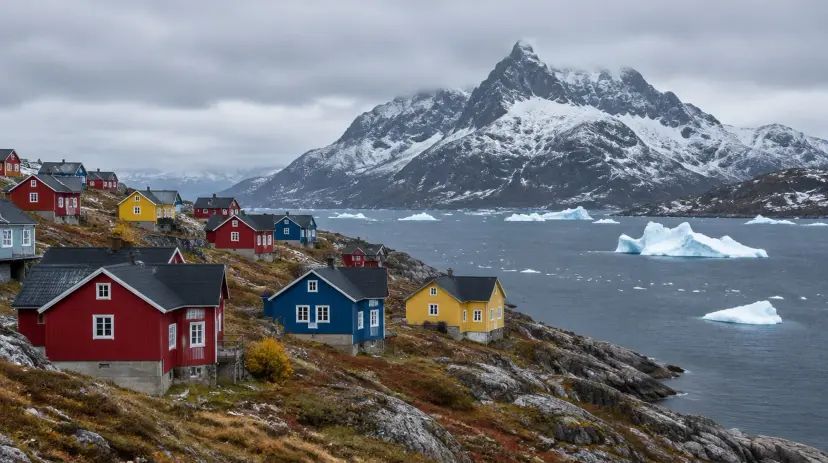

Greenland’s parliament approved the island’s new security agreement with Washington and Denmark on Tuesday, 16 to 0, with seven members abstaining. One clause would apply only after independence. If Greenlanders ever choose it, the new state must stay in NATO and take on every obligation the agreement sets.
The vote in Inatsisartut, the parliament in Nuuk, sends the agreement to the Danish parliament, which is expected to hold its final vote on November 19, Reuters and the Danish broadcaster DR reported. The text enters into force only when a diplomatic note tells Washington that the “necessary parliamentary procedures” are complete. Washington treats it as an executive agreement, so it needs no vote in the US Senate.
What the Agreement Does
The agreement, signed in New York on September 22, lets the United States “modernize and expand its activities” at Pituffik Space Base and establish new defense areas at Narsarsuaq and Mestersvig, according to the text the White House published. It bars any state outside NATO from keeping military installations in Greenland. States and investors from outside NATO, its partners and the European Union may not hold control of “particularly sensitive sectors or activities,” a term the text says includes critical infrastructure and the extraction of resources.
The preamble reaffirms “the sovereignty and territorial integrity of the Kingdom of Denmark” and recognizes that the people of Greenland “constitute a people pursuant to international law with the right to self-determination.”
A Clause for After Independence
The agreement “does not have an end date.” Its eleventh section provides that if Greenland “exercises its right to self-determination to become independent,” the governments in Copenhagen and Nuuk “shall together ensure” that the new state agrees to remain in NATO. It must also assume, from the date of independence, all of Denmark’s rights and obligations under the agreement.
Greenland’s foreign minister, Múte B. Egede, called the ratification another important step for the island. “This is about all of us. The Greenland we love. About our security. And about our right to shape our own future,” he wrote on Facebook, Reuters and Al Jazeera reported.
The Dissent
Naleraq, the pro-independence opposition party, would not join the parliamentary committee’s majority report recommending approval, the Greenlandic newspaper Sermitsiaq reported. In a minority statement, the party said its criticism was aimed at the agreement’s concrete result for Greenland, not at cooperation with the United States. It also faulted the lack of broad support for putting the agreement to a referendum, writing that the people should be able to decide on an agreement of such importance to Greenland’s self-determination and future independence, Sermitsiaq reported.

The Texas Question
Greenland’s own law already leaves independence to its people. Under the 2009 Self-Government Act, the decision is taken by Inatsisartut and confirmed by a referendum in Greenland, as the Texian Partisan reported in September. The new agreement leaves that procedure in place and writes terms in advance for any state that comes out of it.
A vote on Texas independence needs no treaty and no outside government’s consent. It takes a bill passed by the Texas Legislature, and the Texas Independence Referendum Act, the model legislation of the Texas Nationalist Movement (TNM), is that bill. The Legislature convenes in January 2027.
Three governments, Greenland’s among them, have already set conditions on an independence Greenlanders have not voted on. Under that bill, the question of Texas independence would go to Texans first.
See more of the Partisan in Google’s Top Stories.Add as a Preferred Source on Google
Read Next
Alberta’s Official Count: 75 Percent Vote to Stay, All Four Constitutional Questions Fail
Elections Alberta's official results: 74.95 percent voted to remain in Canada, all five immigration questions passed and all four constitutional questions failed.