Britain Says China Still Breaks Its Hong Kong Handover Treaty
Britain's report to Parliament says China remains in ongoing non-compliance with the 1984 Joint Declaration, citing new Hong Kong police powers and Jimmy Lai's 20-year sentence.
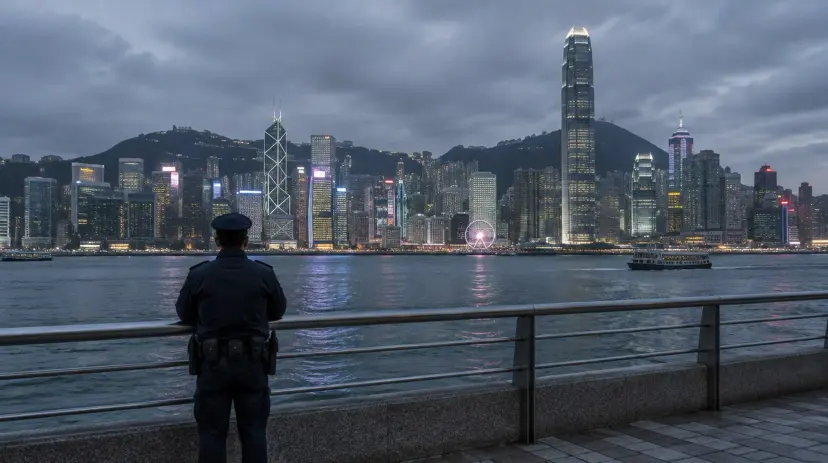

The British government says China remains “in a state of ongoing non-compliance” with the 1984 treaty that promised Hong Kong a high degree of autonomy, in a report to Parliament that details new police powers and the 20-year prison sentence of publisher Jimmy Lai.
The Foreign Office’s six-monthly report on Hong Kong, covering January through June 2026, was deposited in Parliament on October 22. Under the Sino-British Joint Declaration, Hong Kong was to keep “a high degree of autonomy, except in foreign and defence affairs,” for 50 years from the 1997 handover, with its own executive, legislative and independent judicial power.
New powers
On March 23, the Hong Kong government amended the rules that carry out the National Security Law (NSL) that Beijing imposed in 2020. The changes took effect immediately. Police can now require access to electronic devices, including passwords and decryption information, during national security investigations. They gained wider powers to restrict travel, seize travel documents, order online content removed and demand information from organizations and individuals outside Hong Kong.
In June, a new regulation let the chief executive certify that an ordinary criminal case involves national security. The report says that certification “is binding on the courts” and brings stricter bail, designated judges and longer sentences.
By the end of 2025, police had arrested 385 people for national security offenses. As of June, they had issued 34 arrest warrants for people living outside Hong Kong, including in Britain. Authorities have offered rewards of HK$200,000 each for information on 15 exiled activists.
Jimmy Lai
On February 9, a three-judge High Court panel sentenced Lai, the 78-year-old founder of the Apple Daily newspaper, to 20 years in prison for colluding with foreign forces and for sedition. The report calls it “the longest sentence imposed under the NSL to date.” Lai, a British national, chose not to appeal. Prosecutors have asked to seize about HK$127 million in assets tied to the case, with a hearing set for November 30.
Then-Foreign Secretary Yvette Cooper said Lai was sentenced “for exercising his right to freedom of expression, following a politically motivated prosecution.” Hong Kong’s chief executive, John Lee, accused Lai of “betraying China and harming Hong Kong.” Beijing’s liaison office called the sentence the “best Lunar New Year gift” for the city.

Prime Minister Keir Starmer raised Lai’s case with President Xi Jinping in Beijing on January 29, the report says.
What remains
The report says Hong Kong still keeps its common law courts and separate commercial rules, and that trade with Britain grew. It adds that national security law “plays an increasingly prominent role across the legal system, media environment, civil society, education and public administration.”
Britain first declared China out of compliance after Beijing’s 2021 overhaul of Hong Kong’s elections. The treaty’s 50-year promise runs until 2047.
See more of the Partisan in Google’s Top Stories.Add as a Preferred Source on Google
Read Next
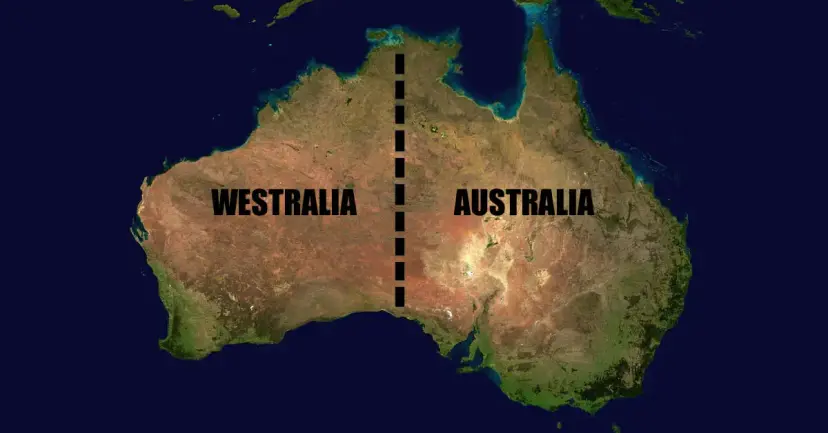
Secession Down Under: The Aussies like it too!
By now, everyone’s heard of Brexit. Partisan readers also no doubt saw the article on the Catalan independence movement last week. Well, did you know that there are secessionist movements within Australia as well?...