

Matabeleland Movement Asks Congress to Back a Negotiated Split From Zimbabwe
The Matebeleland Liberation Organisation has asked Congress to back self-determination for Matabeleland and mediated talks with Zimbabwe, its president Paul Siwela told the Texian Partisan.

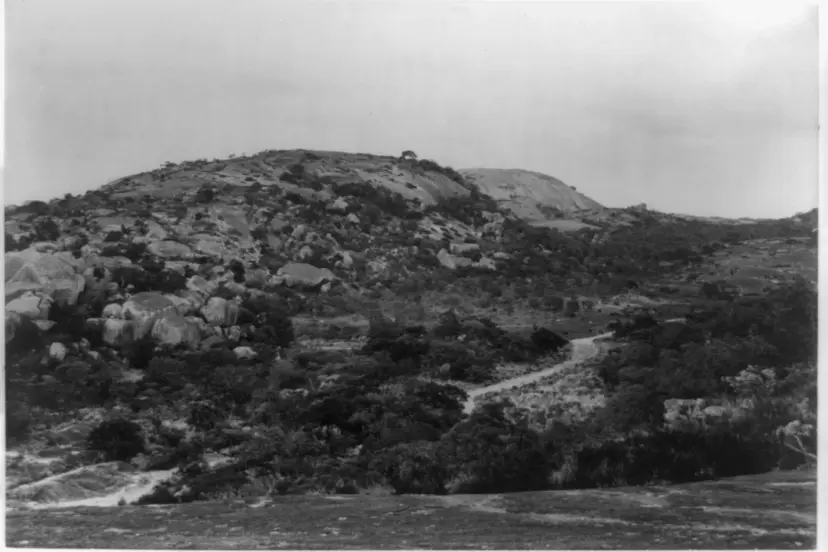

The Matebeleland Liberation Organisation (MLO), which seeks independence for the Matabeleland region of Zimbabwe, has asked the U.S. Congress to consider a resolution recognizing the region’s right to self-determination and backing internationally mediated talks with the government in Harare. Paul Siwela, the group’s president, laid out the request in written answers to questions from the Texian Partisan, sent on Thursday.
Siwela said the group wrote to Rep. Marlin Stutzman of Indiana on October 6 and sent a formal submission to the Senate Foreign Relations Committee on November 12. “As of this response, we have not received a substantive congressional reply to the two submissions identified above,” he wrote.
The resolution the MLO wants would rest on what it calls its Two Cardinal Matebele Demands. The first is restored statehood, with Matabeleland leaving Zimbabwe to become the Republic of Matebeleland. The second is US$100 billion in reparations from the current and future governments of Zimbabwe for the killings of the 1980s. Siwela wrote that the demands “constitute the MLO’s institutional position and are not merely the personal political opinions of its President.” He also asked Congress to support negotiations between the MLO and Zimbabwe’s government and to consider sending a U.S. observer to them.
The group’s historical case begins before Zimbabwe existed. Matabeleland was a kingdom under Mzilikazi and then Lobengula until the British South Africa Company conquered it in 1893, Siwela wrote, and the MLO argues its sovereignty should be restored on that basis and under current principles of self-determination.
The second part of the case is the violence of the 1980s, known in Zimbabwe as the Gukurahundi, when government forces led by the army’s Fifth Brigade carried out a campaign in Matabeleland and the Midlands. The death toll has never been settled. A 1997 report by the Catholic Commission for Justice and Peace in Zimbabwe, which Siwela sent with his answers, put the number of dead and missing at “not less than 3000,” and “reasonably certainly 3750,” and said the real figure could be “possibly double 3000, or even higher.” The same report noted that Joshua Nkomo, the opposition leader of the period, had cited 20,000 dead. Siwela’s answers put the toll at more than 20,000.
Siwela was one of three leaders of the Mthwakazi Liberation Front, a group he helped found, who were charged with treason in 2011, according to a 2018 research report by Canada’s Immigration and Refugee Board. The other two were acquitted. Siwela left Zimbabwe in 2013, before his case was decided, after reporting death threats, the report says. He later left that group to lead the MLO.
What the MLO proposes is a “velvet divorce,” in Siwela’s words. Its framework calls for direct talks between authorized representatives of the MLO and the Zimbabwean government, an independent chairperson or mediation panel, a neutral venue, safe conduct for negotiators, and observers that could include the United Nations, the African Union and the Southern African Development Community. “The MLO does not advocate war against Zimbabwe or its people,” Siwela wrote. “Our struggle is directed towards political self-determination, justice and the restoration of sovereignty, not revenge against any ethnic community.”
At the center of the MLO’s request is a principle: a people may seek separate statehood through negotiation, and asking for it should not lead to prosecution. Siwela wrote that “political advocacy for self-determination must not be criminalised,” and his own treason case is why his group puts that point first. The MLO proposes to settle the Matabeleland question at a table with outside mediators. Congress has not answered, and Siwela wrote that Zimbabwe’s president has not agreed to meet the group to discuss its demands.
See more of the Partisan in Google’s Top Stories.Add as a Preferred Source on Google
Read Next
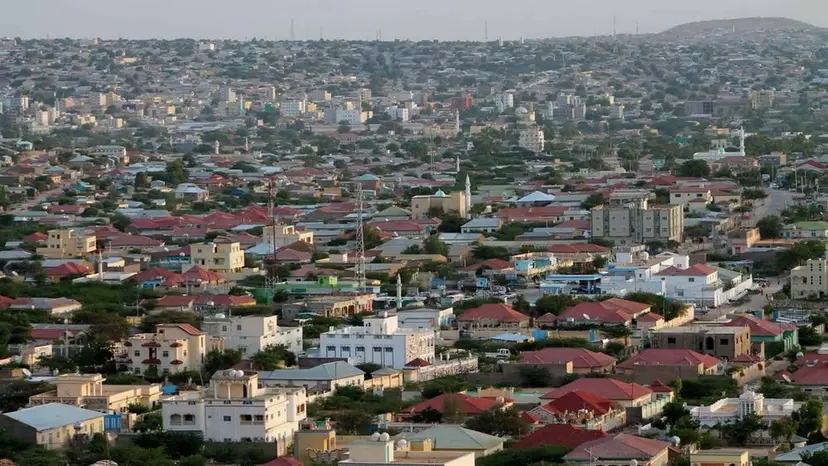
Somaliland Has Governed Itself for 35 Years. One Country in the World Says It Exists.
Somaliland's president was in Washington last week seeking U.S. recognition. Israel recognized Somaliland in December, the first UN member state to do so in 35 years, and the African Union and Arab League rejected...