
Somaliland Has Governed Itself for 35 Years. One Country in the World Says It Exists.
Somaliland's president was in Washington last week seeking U.S. recognition. Israel recognized Somaliland in December, the first UN member state to do so in 35 years, and the African Union and Arab League rejected the move.

Somaliland’s president spent last week in Washington asking the United States to do what exactly one state has done: recognize the country he governs.
Abdirahman Mohamed Abdullahi, known as Irro, met Senator Ted Cruz on Capitol Hill on September 19. The two discussed recognition, security in the Red Sea and the Gulf of Aden, trade and investment, according to Horn Diplomat and other Somali regional outlets that covered the meeting. “Somaliland is ready to build a lasting partnership with the United States,” Abdullahi said, one grounded in “shared interests, mutual respect and regional stability.”
The territory he speaks for has been running its own affairs since 1991, when the government of Siad Barre collapsed and Somaliland declared that it was resuming the independence it briefly held three decades earlier. It has its own currency, its own parliament, its own passports, its own army and a record of elections that have transferred power between parties, including the November 2024 election that made Abdullahi president with 64 percent of the vote. He took office that December.
That earlier independence lasted five days. British Somaliland became the sovereign State of Somaliland on June 26, 1960, and received congratulatory messages from 35 states, including all five permanent members of the United Nations Security Council. On July 1 it merged with the territory Italy had administered to form the Somali Republic. Somalilanders have spent the 35 years since 1991 arguing that the union they entered voluntarily is one they were entitled to leave.
For almost all of that time, no government anywhere agreed. That changed on December 26, 2025, when Israel became the first United Nations member state to formally recognize Somaliland as independent. Prime Minister Benjamin Netanyahu said Israel would pursue cooperation in agriculture, health, technology and the economy. Abdullahi said the same day that Somaliland would join the Abraham Accords. He opened Somaliland’s embassy in Jerusalem in June, on his first visit to Israel.
The reaction from the region was immediate and nearly unanimous. The African Union said it “unequivocally reaffirms” its commitment to Somalia’s territorial integrity and “firmly rejects any initiative or action aimed at recognizing Somaliland as an independent entity,” invoking the principle that borders inherited at independence are not to be redrawn. Arab League Secretary-General Ahmed Aboul Gheit called the recognition “provocative and a serious threat to regional security.” Somalia, Egypt, Turkey, Djibouti and Eritrea rejected it, as did the East African Community, the Intergovernmental Authority on Development and the European Union. Mogadishu maintains that Somaliland is a region of Somalia and that no outside government may say otherwise.
What Somaliland offers Washington is geography. Berbera sits on the Gulf of Aden, along the shipping lane that carries traffic to and from the Suez Canal, and Somaliland has spent years presenting itself as a counterterrorism and maritime security partner in a part of the world where the United States has few stable ones. Cruz has pressed that case in Washington, writing to President Trump in August 2025 and to Secretary of State Marco Rubio in July 2026 urging the administration to treat Somaliland separately from Somalia, according to Kaab TV and Horn Diplomat.
Thirty-five years of self-government have produced a currency, a parliament, a functioning port and a peaceful transfer of power. What they have not produced is other governments’ consent, and that is the one thing Somaliland cannot build for itself.
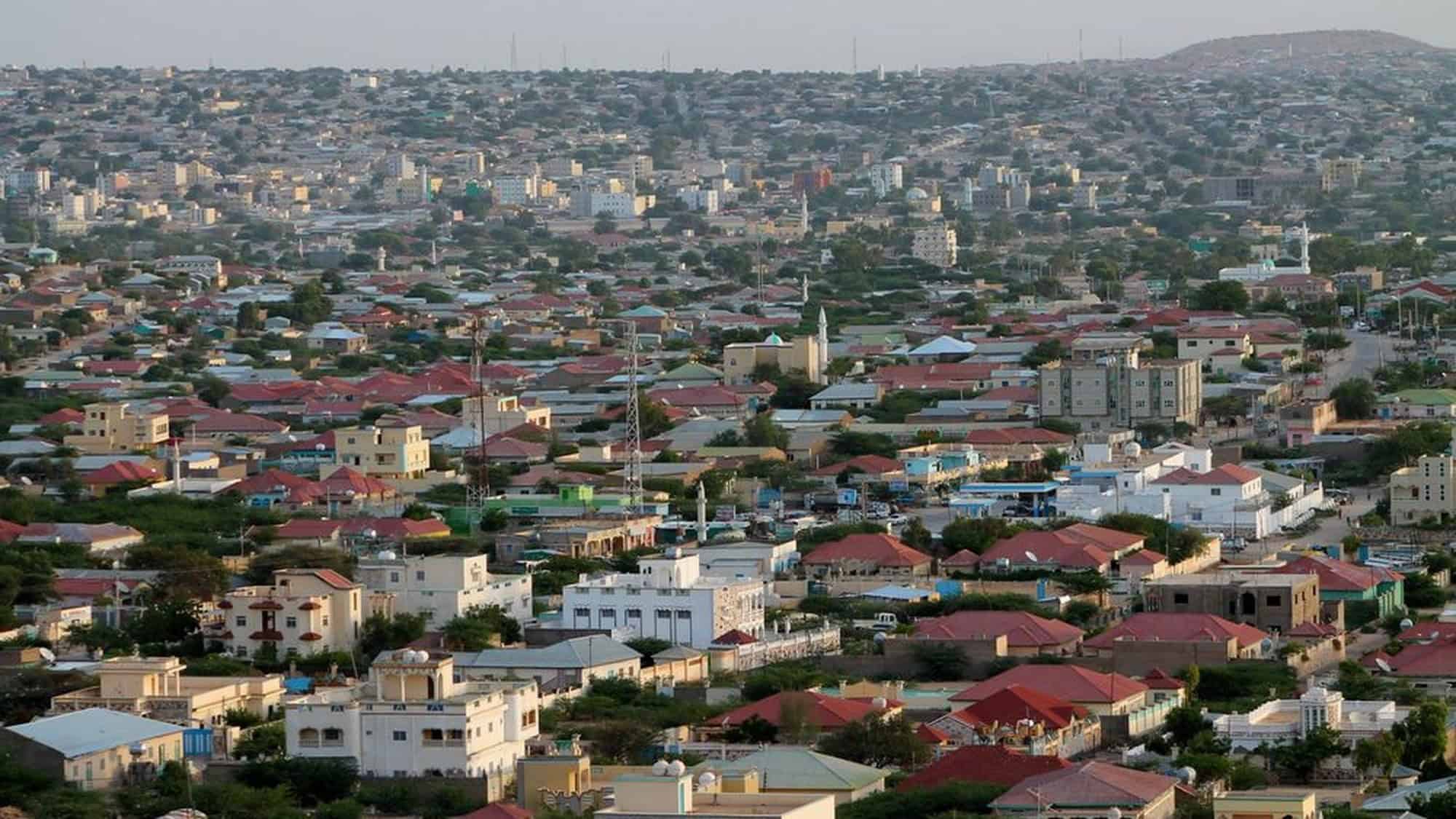
Photo: Hargeisa, the capital of Somaliland. Yusuf Dahir, public domain.
See more of the Partisan in Google’s Top Stories.Add as a Preferred Source on Google
Read Next
Matabeleland Independence Update
Earlier this year I covered the history of the Matabeleland independence movement in my article “Let My People Go.” In this update you will learn that Matabeleland independence may be right around the corner...