Oklahoma Supreme Court Strikes Down Law Capping Petition Signatures by County
The Oklahoma Supreme Court voided Senate Bill 1027, the 2025 law that capped initiative petition signatures by county, in a 5-4 ruling. Texas has no citizen initiative at all.

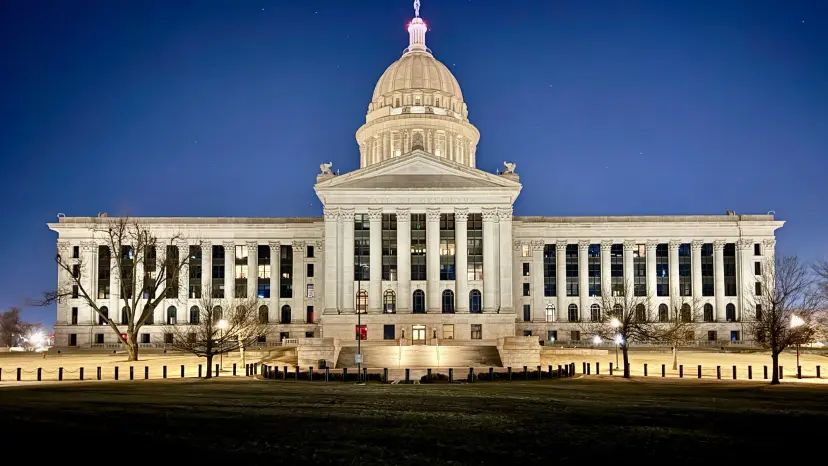

The Oklahoma Supreme Court on Tuesday struck down Senate Bill 1027, the 2025 law that rewrote the rules for citizen initiative petitions. By a vote of 5-4, the court held that the law violates the Oklahoma Constitution and the First Amendment and cannot be enforced.
“Several key aspects of Senate Bill 1027 violate the U.S. and Oklahoma Constitutions, and non-offending sections are incapable of being severed,” Justice Noma Gurich wrote for the majority. The court declared the law “void in its entirety.” The petition rules that stood before it remain in effect.
The law’s largest change capped how many signatures any one county could supply. A petition to change state law could draw no more than 11.5 percent of the votes a county cast in the last governor’s race, and a proposed constitutional amendment no more than 20.8 percent. The state argued the caps would push campaigns into suburban and rural counties.
The court used Harmon County to show the effect. It had 1,378 registered voters on January 1. Under the caps, only 75 of them could have signed a given statutory petition. “By denying qualified legal voters the right to participate in the petition process, the caps violate Oklahomans’ constitutional right of petition,” Gurich wrote.
The ruling also threw out the law’s other provisions. They required every petition circulator to be a registered Oklahoma voter, barred money from outside the state, banned paying circulators by the signature, imposed weekly expense reports and added new requirements for the summary printed at the top of each petition. The state conceded at oral argument that a 1999 U.S. Supreme Court decision striking down Colorado’s registered-voter rule for circulators controls that question.
Chief Justice Rowe, Vice Chief Justice Kuehn, Justice Kane and Special Justice Huber dissented. Kuehn would have struck several provisions and kept the rest of the law. “I believe that the signature caps are valid,” Kane wrote.
House Speaker Kyle Hilbert, the bill’s principal House author, said the majority misread what the Legislature intended. “We encourage the state to appeal this decision and continue defending the Legislature’s authority to establish reasonable safeguards for this important process,” he said in a statement reported by News 9. The parties have ten days from the ruling to ask the court to rehear the case.

Norman Mayor Stephen Tyler Holman, who opposed the bill in 2025, told News 9 the law “would have made it nearly impossible to ever see another initiative petition in Oklahoma again.”
The Oklahoma Constitution calls the initiative “the first power reserved by the people.” Texas has no such power. Article XVII of the Texas Constitution provides one way to amend it: the Legislature proposes the change by a two-thirds vote of each house, and only then do voters decide.
Oklahomans are arguing over how hard their lawmakers may make it for citizens to put a question on the ballot. In Texas, every amendment that reaches the ballot is one the Legislature chose to put there.
See more of the Partisan in Google’s Top Stories.Add as a Preferred Source on Google
Read Next

Trump Floats Immigration Deal Two Years After Texans Voted for Mass Deportation
Texans backed Trump in 2024 on a promise of the largest deportation operation in history. On 60 Minutes he called his policy possibly too tough and floated a deal for long-settled immigrants.