

Rio Tinto Commits $250 Million to Repair Damage From Bougainville’s Panguna Mine
Rio Tinto will pay US$250 million into a fund for the damage left by the Panguna mine, while Bougainville's 2019 vote for independence awaits ratification in Papua New Guinea's Parliament.


Rio Tinto will put US$250 million into a fund to address the damage left by the Panguna copper mine on Bougainville, the company announced on November 16. The fund was agreed among Rio Tinto, Bougainville Copper Limited (BCL), the Autonomous Bougainville Government (ABG) and community leaders from the mine area. Rio Tinto called the money its voluntary contribution, to be paid “over the coming years.” The company put it at about 1.1 billion kina in Papua New Guinea’s currency.
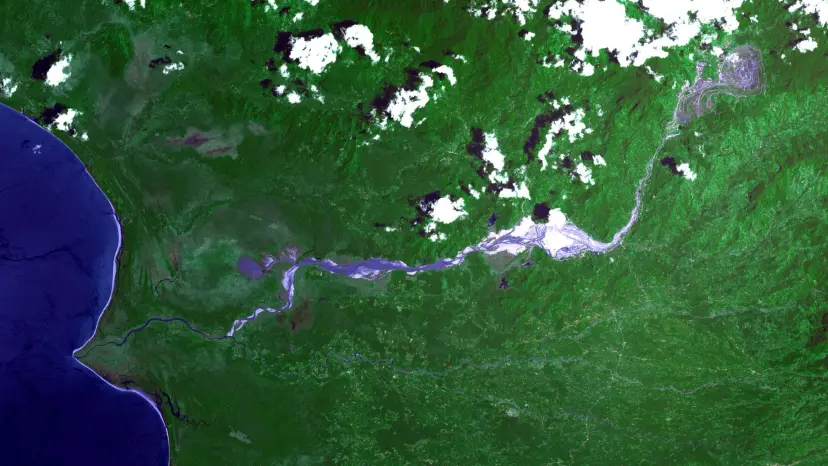
When it closed in 1989, Panguna was the largest open-pit copper and gold mine in the world, according to NASA’s Jet Propulsion Laboratory. Rio Tinto held 53.8 percent of BCL, which owned and ran the mine, until it gave up that stake in 2016. Operations stopped when civil war broke out on the island, a war that RNZ Pacific reports the mine played a central role in starting.
The fund grew out of the Panguna Mine Legacy Impact Assessment, which local communities sought through a complaint filed with the help of the Human Rights Law Centre. An oversight committee formed in 2021 brought together landowner and community representatives, the Papua New Guinea and Bougainville governments, BCL, Rio Tinto and the law centre. The independent assessment was published in December 2024. According to the release, the fund will pay for work in the river and delta areas downstream of the mine and for social programs across the mine, port and town areas. How the fund is run and what it pays for will be worked out with the communities, the ABG, BCL and Rio Tinto. Work already underway includes removing hazardous materials from the Loloho port area, building bridges and reducing flood risk, monitoring ground stability near villages, and a multi-year water and sanitation project in the former mine corridor.
Theonila Roka-Matbob, the lead complainant, said the fund gives communities “the chance to find solutions to the huge problems we have been living with since the days of the mine’s operation.” She told RNZ Pacific that “no amount of money will restore the damage caused in the environment in Panguna.” Bougainville President Ishmael Toroama called the fund “an important step forward.”
The fund is separate from any decision to reopen the mine or its port, and the release says those decisions belong to the ABG and the people of Bougainville. Kearnneth Nanei, the ABG’s chief secretary, said the government is managing redevelopment work at Panguna being carried out by Bougainville Minerals Ltd.
The people of Bougainville voted for independence in 2019 by 176,928 votes to 3,043. The result is not binding until Papua New Guinea’s national Parliament ratifies it, and Parliament has set the bar at three-quarters of its 118 members. Debate on ratification resumed in October, as the Partisan reported, and RNZ said it would continue in November before an eventual vote.
Bougainville’s leaders now hold the decision over what becomes of the mine at the center of the island’s war, with Rio Tinto’s money committed to the damage it left behind. The decision over whether Bougainville governs itself is still being made in another government’s parliament, seven years after its people gave their answer.
See more of the Partisan in Google’s Top Stories.Add as a Preferred Source on Google
Read Next
The Kurds Vote in Favor of Seceding From Iraq
Last night in Kurdistan, in Northern Iraq and nearby regions, ethnic Kurds held a referendum on independence, and the yeas have it! Long a minority at odds with whatever power encompassed or played neighbor...