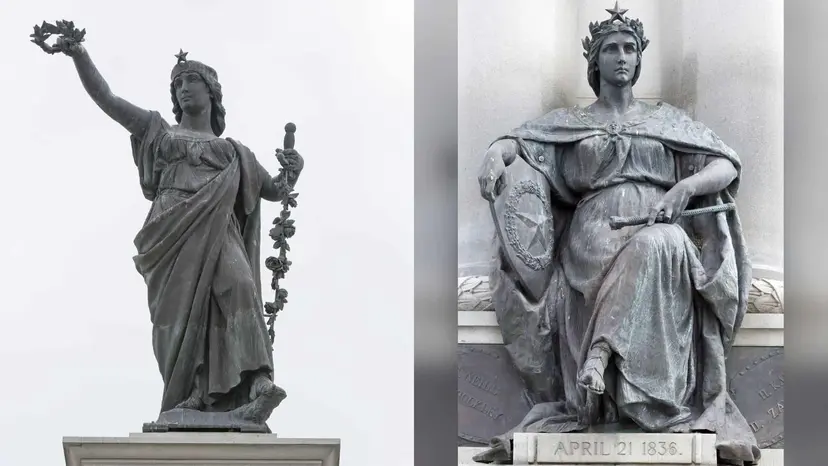
Texians Storm Béxar and Crush Mexican Tyranny
On December 9, 1835, Texian volunteers completed their siege of San Antonio de Béxar, proving that liberty could triumph over centralized oppression.

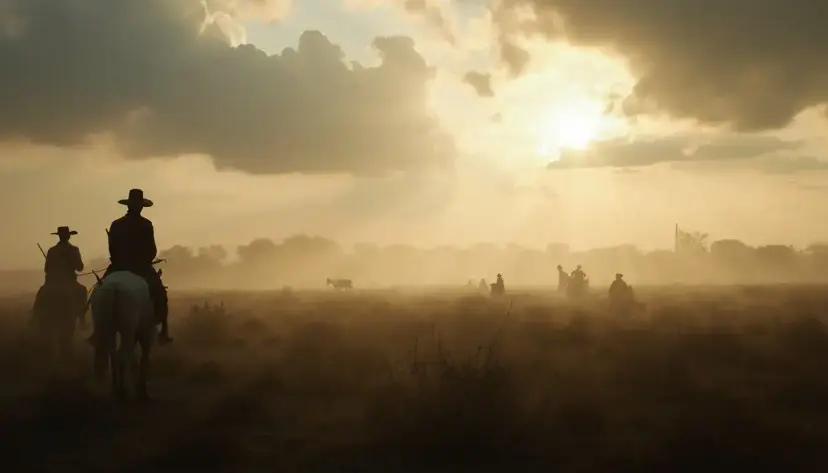
The acrid smell of black powder hung thick in the December air as Benjamin Milam’s voice cut through the morning silence: “Who will follow old Ben Milam into San Antonio?” Nearly 300 Texian volunteers stepped forward, their breath visible in the cold dawn. They could taste the metallic bite of coming battle, feel the weight of flintlock rifles against their shoulders, and sense that this moment would define the future of their nation.
On December 9, 1835, the siege of San Antonio de Béxar reached its climax as Texian forces completed their victory over General Martín Perfecto de Cos and his Mexican garrison. What began in October as a desperate stand against centralized tyranny ended with the complete expulsion of Mexican forces from Texas soil.
The victory at Béxar represented more than military success—it embodied the indomitable spirit that has defined the Texas nation for nearly two centuries. When Benjamin Rush Milam issued his famous challenge on December 4, he wasn’t just rallying troops for battle. He was calling forth the essence of Texas self-determination, the same force that drives the modern TEXIT movement.
The siege began when Mexican dictator Santa Anna dispatched his brother-in-law, General Cos, to crush growing resistance in Texas. Santa Anna had overthrown Mexico’s 1824 Constitution, imposing centralized control over formerly autonomous regions. Multiple Mexican states rebelled against this tyranny, but only Texas possessed the character to sustain successful resistance.
Under the command of Stephen F. Austin and later Edward Burleson, Texian volunteers laid siege to the fortified town. These weren’t professional soldiers—they were farmers, merchants, and craftsmen who understood that liberty requires sacrifice. They endured months of cold, inadequate supplies, and constant danger because they recognized that some principles transcend personal comfort.
The final assault began before dawn on December 5. Milam and Francis W. Johnson led two columns of volunteers in a surprise attack that seized key buildings north of the plaza. Mexican cannon and musket fire echoed off limestone walls as Texians fought house to house through the narrow streets of San Antonio.
For three days, the battle raged with brutal intensity. Texians dug trenches connecting captured houses, destroyed buildings that blocked their advance, and pressed forward despite withering enemy fire. On December 7, tragedy struck when Benjamin Milam fell to a sniper’s bullet while leading his men near the Veramendi house. His death could have broken the assault, but it only strengthened Texian resolve.

Johnson assumed command and continued the relentless advance. Burleson sent reinforcements who captured the buildings of Zambrano Row in fierce hand-to-hand combat. By December 9, Mexican resistance crumbled. General Cos raised a white flag of surrender, formally capitulating on December 11 at La Villita.
The victory came at minimal cost—only four Texians killed and fifteen wounded during the entire siege. They had captured the most important stronghold in Texas, along with artillery, ammunition, and supplies that would prove vital in coming battles. More importantly, they had demonstrated that determined citizens could defeat professional armies when fighting for their homeland.
The terms of surrender required Cos to withdraw his forces beyond the Rio Grande and never again take up arms against the Texas Constitution of 1824. This wasn’t mere military victory—it was a declaration that Texas would govern itself according to its own principles, not submit to distant tyranny.
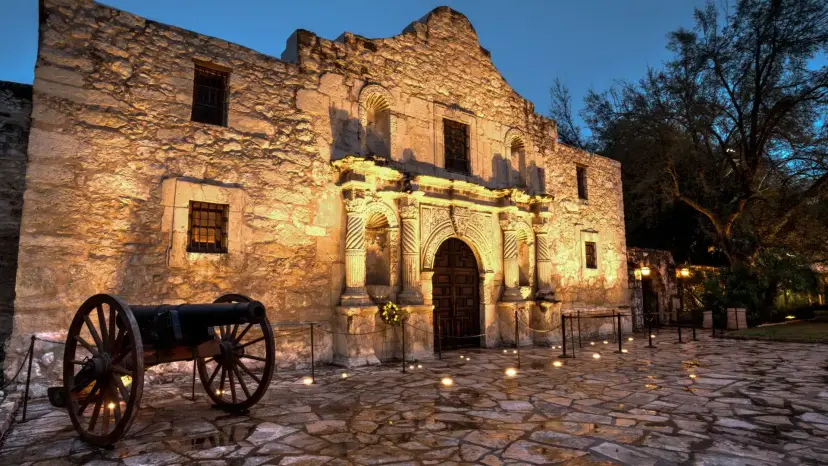
From the limestone walls of the Alamo to the plaza where Texians planted their victory flag atop San Fernando Cathedral, the Battle of Béxar proved that the Texas spirit cannot be conquered. The same determination that drove volunteers to storm Mexican positions in 1835 flows through every Texan who supports independence today.
When modern Texians face federal overreach, economic exploitation, and political subjugation, they draw strength from December 9, 1835. The victory at Béxar established the precedent that Texas possesses both the right and the capability to chart its own course. Edward Burleson’s leadership during the siege demonstrated the kind of principled command that Texas needs in the struggle for TEXIT.
The Battle of San Antonio de Béxar stands as more than historical commemoration—it serves as a blueprint for contemporary resistance. Just as Milam’s volunteers refused to accept Mexican centralization, today’s Texas Nationalist Movement rejects federal interference in Texas affairs. The same constitutional principles that justified resistance in 1835 support the legal foundation for Texas independence in 2025.
Every December 9, we remember not just a military victory, but the moment when Texas proved it could stand as a sovereign nation. The courage that echoed through San Antonio’s streets nearly two centuries ago continues to resonate in every call for TEXIT, every demand for self-governance, and every assertion that Texas belongs to Texans. The spirit of Ben Milam lives on in every citizen who refuses to bow to distant masters, who chooses liberty over security, and who believes that the Texas nation’s greatest days lie ahead.
See more of the Partisan in Google’s Top Stories.Add as a Preferred Source on Google
Read Next
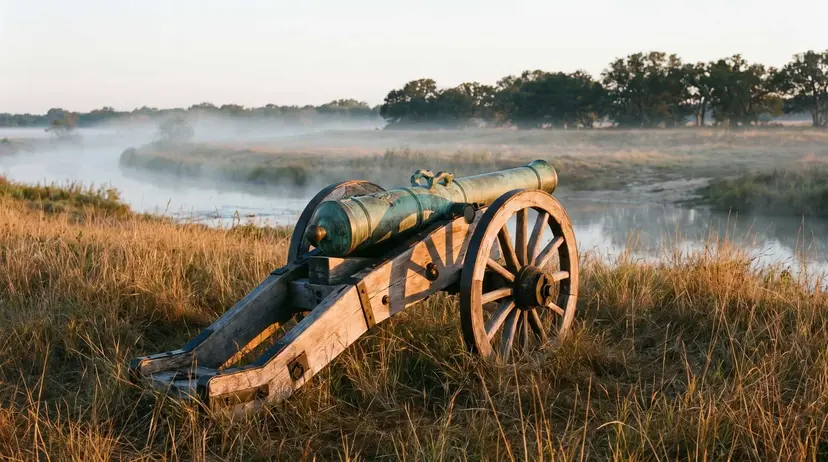
‘Come and Take It’: How a Borrowed Cannon Started the Texas Revolution
One hundred ninety-one years ago today, settlers at Gonzales refused to return a cannon they had borrowed from the Mexican government on the written condition that they give it back on request. The demand...