
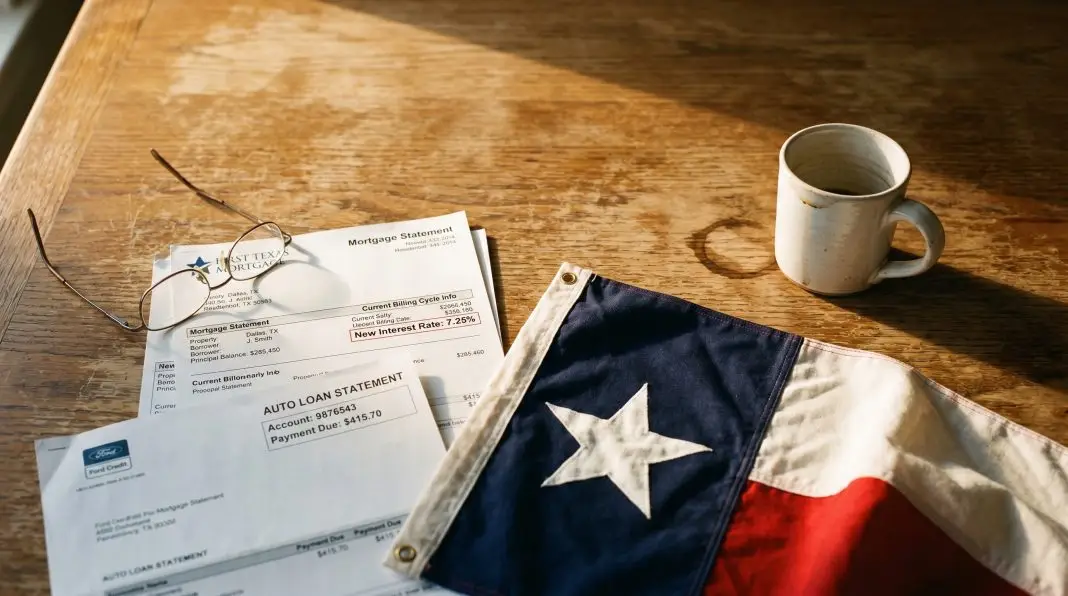

Moody’s stripped the United States of its Aaa rating on May 16, 2025. With that move, all three major credit rating agencies had pushed the federal government out of the top tier. Standard and Poor’s cut first, in 2011. Fitch followed in August 2023. Moody’s was the holdout, the last institution willing to rank Washington alongside Switzerland, Singapore, and the handful of governments that pay their bills and balance their books.
In October 2025, the European agency Scope took it further, cutting the United States from AA to AA−, citing sustained deterioration in public finances and a weakening of governance standards. In late April 2026, Fitch warned that federal debt levels keep the United States well above other AA-category sovereigns, and that years of fiscal malpractice are starting to bind on the rating itself.
The agencies are no longer hedging.
What a credit rating actually is
A sovereign credit rating is a verdict on whether a government can be trusted to repay what it borrows. Lower ratings mean higher interest costs because lenders charge more for risk. Those rates do not stay at the Treasury Department. Mortgage rates track Treasury yields. Auto loan rates track Treasury yields. Small business loans, credit card rates, the cost of building a refinery or expanding a clinic, all of it rides on the rate Washington pays to borrow.
When federal borrowing costs rise, every family and business under that government’s jurisdiction pays more. House prices. Truck payments. The cost of carrying inventory at a Beaumont machine shop or running a Tyler restaurant.
The cause is not a mystery
Moody’s said it plainly. Deficits are running near a two-trillion-dollar annual rate. Entitlement spending climbs every year. Federal revenue stays roughly flat as a share of the economy. There is no credible plan to bridge the gap, and no political coalition in either party with the discipline to build one. Fitch has been making the same argument for two years. Scope’s October report cited the same arithmetic and added a remark on deteriorating governance, which is the polite phrasing agencies reach for when they have lost patience with congressional dysfunction.
None of this surprises anyone who has watched a debt-ceiling fight or a continuing-resolution circus. Borrow, spend, defer, blame the other side, repeat. Washington has not balanced a budget in a generation. The agencies are not predicting collapse. They are reporting a structural failure that has already happened.
Texas runs the books the other way
The Texas Constitution requires a balanced budget. The Legislature meets every two years and works within the revenue the Comptroller certifies. The Economic Stabilization Fund, what most Texans still call the Rainy Day Fund, sits at historic highs. The state walked into the last session with a multi-billion-dollar surplus and is on track to do it again. Texas issues debt for capital projects, water systems, highways, and university buildings, but it does not run permanent operating deficits financed by ever-growing long-term borrowing the way Washington does.
Two governments. One balances its books, builds reserves, and lives within its means. The other has been told by every major rating agency on the planet that it can no longer be trusted with the top grade.
The cost lands on Texans regardless
Texas’s discipline does not insulate Texans from Washington’s mismanagement.
A mortgage in Lubbock costs more because Treasury yields rose after the Moody’s downgrade. A truck loan in Nacogdoches carries a higher monthly note for the same reason. A small business in Brownsville pays more for working capital because the entire credit market reprices in response to the federal government’s deteriorating standing. A young couple in Conroe loses out on a starter home because the rate they qualify for runs half a point higher than it would under a government that paid attention to its books.
We did not run the deficits. We did not authorize the spending. We did not put most of the people who passed these budgets into office. We pay anyway. Every transaction, every loan, every dollar of inflation flowing out of a debt-soaked monetary system lands here regardless of what Austin does.
Texas governs itself competently and gets pulled under by a federal government that does not.
Reform is not coming
There is no honest version of this story that ends with Washington reforming itself. The incentives run the other way. Members of Congress get rewarded for spending and punished for cutting. Presidents of both parties have added trillions to the debt. The machinery that produced this outcome keeps producing it because nothing within the system penalizes those who built it. The 2011 downgrade produced no reform. Neither did 2023. Neither will 2025, beyond another round of finger-pointing.
This is a design problem. A government that can borrow indefinitely in its own currency, with no foreign supervisor and no domestic check strong enough to force discipline, will keep spending until something outside it pulls the brake. The agencies are signaling, in the only language they have, that the outside pressure has begun.
The choice in front of us
A federal government that has lost its top credit rating from every major agency is not in sound shape. It has spent decades cashing checks the future was supposed to cover, and the future is here.
What can change is whether Texans keep paying the price.
An independent Texas would borrow on its own balance sheet, one of the strongest in the developed world. Its fiscal policy would run under the constitutional discipline it already imposes on itself. Its currency arrangements could anchor to something steadier than the political incentives of the United States Congress. And it would not be chained to the credit standing of a government that has been told, by everyone qualified to say so, that it no longer deserves the top grade.
The May 2025 downgrade was a milestone. Scope’s October cut confirmed the trend. The April 2026 Fitch warning is the next page in the same story.
Texans built a state that does not borrow to live. The credit agencies have done their part. They have made the federal failure legible. The question is whether Texans want to keep underwriting it.

