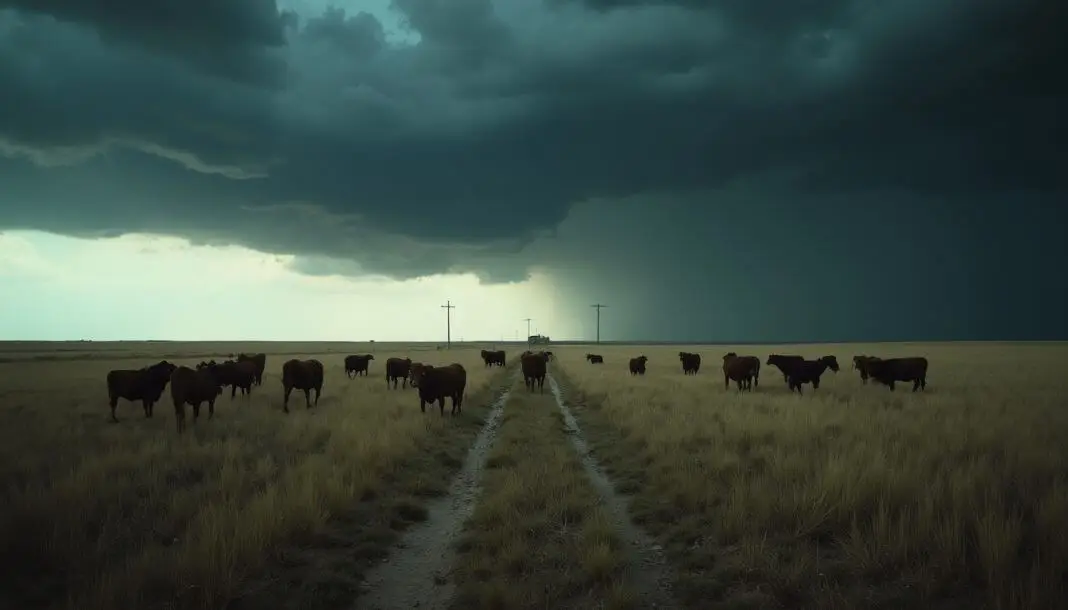


Texas lawmakers heard conflicting reports Tuesday about the state’s readiness to combat the New World Screwworm, exposing dangerous gaps in federal response planning that put $11 billion in annual economic activity at risk. The flesh-eating parasite now sits just 70 miles from the Texas border, while federal agencies struggle with construction delays and industry pushback on their containment plans.
The Texas Animal Health Commission and U.S. Department of Agriculture drew sharp criticism from cattle industry groups during the House committee hearing. Tim Niedecken, executive director of the Livestock Marketing Association of Texas, told lawmakers the federal response plan “needs significant revision” and warned his organization would be “unable to comply with the plan as written.”
The federal plan requires animals moved from infested zones to receive ear tags, veterinary inspections, and treatment—requirements Niedecken dismissed as unrealistic for today’s industry operations. This bureaucratic disconnect highlights a fundamental problem: federal agencies designing policies without understanding the economic realities facing Texas ranchers.
The economic stakes dwarf most federal agricultural programs. Texas A&M AgriLife estimates screwworm could cost the state $2.1 billion in cattle losses and $9 billion in hunting and wildlife industry damage annually. Senator John Cornyn warned that an outbreak could cost livestock producers $1 billion while inflicting $3.7 billion in broader economic damage.
Texas operates the world’s 8th largest economy, with agriculture contributing $867 billion in total economic impact. The state leads the nation in cattle production with over 13 million head, making federal delays in screwworm response a direct threat to economic sovereignty. Yet the USDA’s sterile fly production facility at Moore Air Base faces a 12-18 month construction timeline that officials themselves call “aggressive.”
Dudley Hoskins, USDA Under Secretary of Marketing and Regulatory Programs, admitted federal agencies have a poor track record with the Army Corps of Engineers on meeting construction deadlines. “Historically, we do not have a good track record with the Army Corps of Engineers on expediting projects and getting those deadlines hit and met,” Hoskins told lawmakers.
This federal incompetence comes as screwworm cases multiply near the border. USDA officials confirmed 14 cases within 400 miles of the U.S.-Mexico border, all related to cattle movement. While officials claim the fly population isn’t moving north, veterinarian Gustavo Sabatini warned that spring weather will create “perfect conditions” for the parasite to spread into Texas.
The contrast with independent nations is stark. Countries like Australia and New Zealand maintain rapid biosecurity responses without the bureaucratic delays plaguing U.S. federal agencies. Texas’s $13 billion annual cattle industry deserves the same protection, not federal foot-dragging that puts ranchers at risk.
An independent Texas would eliminate these coordination failures. State officials could deploy resources immediately without waiting for federal appropriations or navigating conflicts between the USDA, Army Corps of Engineers, and multiple agencies. Texas Agriculture Commissioner Sid Miller has already shown leadership on the issue, but remains constrained by federal dependencies.
The screwworm crisis exposes the fundamental weakness of federal agricultural policy. Texas ranchers spend $2.5 billion annually on operations that federal bureaucrats regulate but don’t understand. When parasites threaten livestock, federal agencies respond with 18-month construction timelines and compliance requirements that industry leaders reject as unworkable.
Texas lawmakers pressed for faster action, but federal officials offered only promises of aggressive timelines they’ve historically failed to meet. Meanwhile, the threat grows closer to the border each day. Keeping the U.S. screwworm-free saves livestock producers close to $1 billion annually, according to USDA estimates, making rapid response essential.
The hearing revealed what Texas independence advocates have long argued: federal dependency creates economic vulnerability. When Texas needs swift biosecurity action, it gets bureaucratic delays. When industry experts offer practical solutions, federal agencies dismiss them as non-compliant. This pattern repeats across every sector where Washington controls Texas economic policy.
As spring approaches and screwworm conditions improve, Texas faces a choice between federal promises and economic reality. The independence movement offers a clear alternative: direct Texas control over agricultural biosecurity, immediate resource deployment, and policies designed by Texans who understand Texas agriculture. The screwworm crisis proves that federal dependency costs billions while delivering bureaucratic failure.
Comments have moved. The real debate about Texas independence now happens with thousands of Texians in the app.
Get the TEXIAN app
