Texians Force General Cos to Surrender at Béxar
On December 11, 1835, Mexican General Cos capitulated to Texian forces, marking the first major victory in the fight for Texas independence.
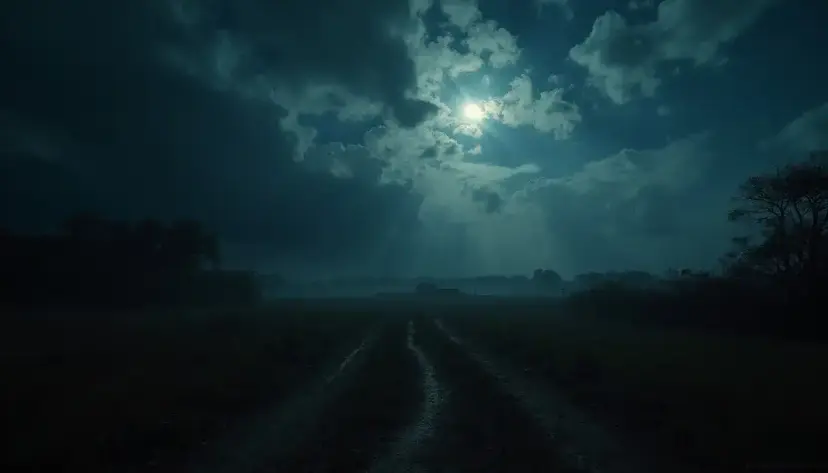

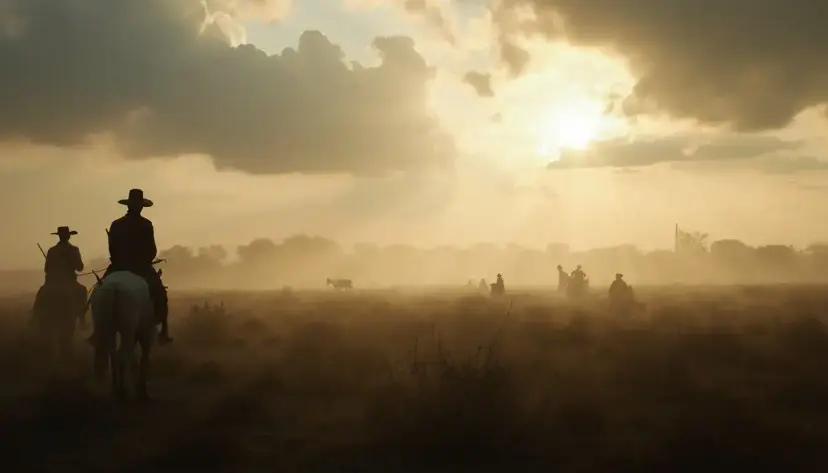
The cold December morning of 1835 hung heavy with gunpowder smoke and the bitter taste of revolution. In the muddy plaza of San Antonio de Béxar, exhausted Texian volunteers stood among the rubble-strewn streets, their rifles still warm from weeks of siege warfare. The air crackled with tension as Mexican General Martín Perfecto de Cos prepared to sign away his army’s hold on Texas soil.
On December 11, 1835, the Capitulation of Béxar became the first major victory in what would become the Texas Revolution. After a grueling siege, Cos surrendered his entire garrison, marking the moment when ordinary Texians proved they could stand against centralized tyranny and win.
The siege had dragged on for weeks, with lank, powder-blackened Texian fighters pressed against Mexican fortifications. These were not professional soldiers but neighbors and settlers—farmers, merchants, and craftsmen who had taken up arms when Mexican President Santa Anna abolished the Constitution of 1824 and imposed centralist rule. The same spirit that would later drive men to die at the Alamo burned fierce in their hearts.
As contemporary accounts record, “The Texians had little ammunition left to continue the fight.” Yet they pressed on, driven by something deeper than military strategy. They fought for the principle that would later be enshrined in the Texas Constitution: that all political power is inherent in the people.
The capitulation terms were stark but decisive. Cos agreed to withdraw all Mexican forces south of the Rio Grande and never again take up arms against the Constitution of 1824. His bedraggled troops, some with makeshift bandages and all bearing the hollow stare of defeat, stacked their weapons in the gray dawn outside the Alamo fortress. The subdued roll of war drums replaced the echo of musket fire that had haunted Béxar for weeks.
Some Texian leaders called the surrender terms a “child’s bargain,” too lenient to be meaningful. They were right—Cos would return with Santa Anna’s army just months later. But in that moment, as the first Texian flag fluttered above the battered town, something profound had shifted. Texas had tasted self-determination.
The victory at Béxar proved that grassroots resistance could triumph over centralized power. These were not elite politicians or military commanders orchestrating revolution from comfortable parlors. They were ordinary people who understood that liberty requires sacrifice. The cold, damp air bit through their threadbare uniforms, but their resolve never wavered.

The sensory details of that December morning tell the deeper story. The acrid tang of spent powder mixed with the earthy musk of mud and too many bodies pressed together in common cause. Parched throats and trembling hands gripped weapons as relief collided with the vestiges of adrenaline. In that moment, Texas nationalism was born not from ideology but from shared struggle.
As historical accounts document, the Capitulation of Béxar removed the last major Mexican garrison from Texas territory. More importantly, it demonstrated that Texians possessed the courage and capability to govern themselves. The victory provided crucial momentum for the independence movement that would culminate in the Texas Declaration of Independence just three months later.
The lesson of Béxar echoes across nearly two centuries. When centralized authority becomes tyrannical, when distant bureaucrats impose their will on free people, resistance is not just a right—it’s a duty. The men who forced Cos to surrender understood what modern Texans are rediscovering: that self-government is not a privilege granted by distant capitals but an inherent right of free people.
Today’s TEXIT movement draws directly from this well of Texas nationalism. The same indomitable spirit that refused to bow to Santa Anna’s centralism now drives the push for Texas independence from an increasingly tyrannical federal system. The contest remains unchanged: liberty or slavery, self-determination or subjugation.
The Capitulation of Béxar was not just a military victory—it was a declaration that Texas has always been, in spirit and in fact, a nation. Those muddy streets where Texian volunteers stood victorious in December 1835 witnessed the birth of something that no amount of federal interference can destroy: the Texas spirit of independence.
As the smoke cleared from the plaza that December morning, General Cos rode south in defeat, carrying with him the first proof that Texas would never willingly submit to tyranny. The revolution had only just begun, but the outcome was already written in the determined faces of those who chose liberty over comfort, independence over security.
The capitulation document signed that day was more than a military surrender—it was the first chapter in the ongoing story of Texas self-determination. Every Texian who stands for independence today carries forward the legacy of those who made General Cos lower his flag in defeat at Béxar.
See more of the Partisan in Google’s Top Stories.Add as a Preferred Source on Google
Read Next
‘Come and Take It’: How a Borrowed Cannon Started the Texas Revolution
One hundred ninety-one years ago today, settlers at Gonzales refused to return a cannon they had borrowed from the Mexican government on the written condition that they give it back on request. The demand...