A Federal Reserve Study Ties Washington’s Immigration Surge to the Housing Crunch
The Dallas Fed found federal immigration policy drove nearly a third of the home-price surge. Every lever that set the price of a Texas home is federal, and Texas never cast a vote.
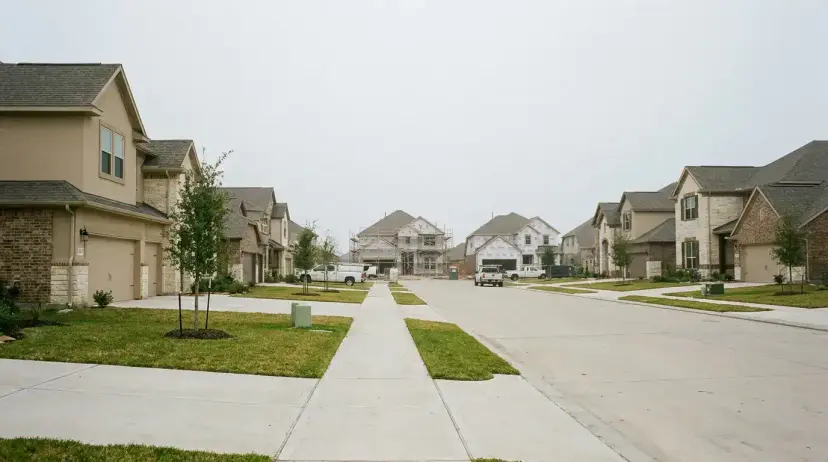

A new working paper from the Federal Reserve Bank of Dallas has put a number on what Texans have felt for four years. The bank’s economists found that the immigration surge of 2021 through 2024 drove roughly 30 percent of the rise in home prices nationwide, and about 20 percent of the increase in rents. Home prices climbed 22.4 percent over those years. Nearly a third of that climb, the study concludes, traces to the roughly seven million people who entered the country without authorization in that window and needed somewhere to live.
The finding reached past the economics journals this week in a column at Townhall by John Bonura and Selene Rodriguez of the Texas Public Policy Foundation. They set the Dallas Fed numbers beside the National Association of Home Builders’ finding that two-thirds of American households can no longer afford a new single-family home, and a blunt equation the builders use: every $1,000 added to a home’s price knocks another $156,000 households out of the market. Federal immigration policy, they wrote, some ten million unlawful border crossings and a stack of parole programs on top of them, hit a tight housing market as a demand shock it could not absorb.
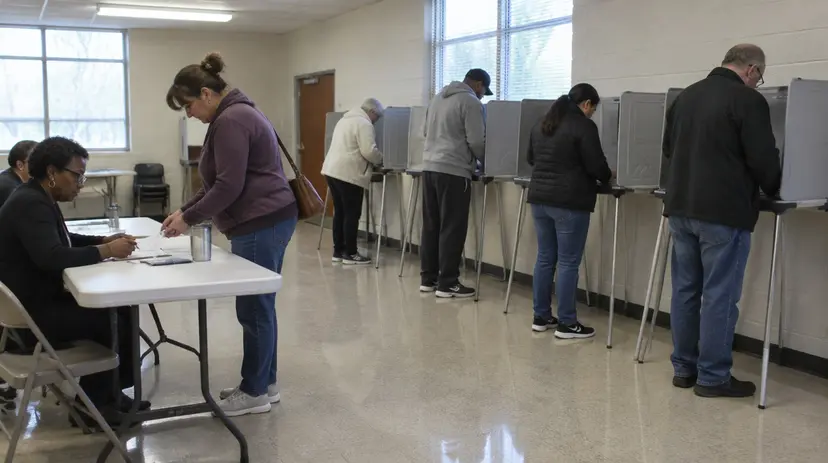
For Texas, the numbers point somewhere harder than the authors go. Every decision behind them was federal. The border, the parole programs, the scale and the pace, all of it was set in Washington by a government no Texan controls. Texas did not vote for the policy that raised the price of a Texas home. It was never asked. It has no power to undo it. The same federal government sets the interest rates that fix a mortgage payment and prints the dollars that drove the underlying inflation. On housing, as on nearly every force that sets the cost of a Texas life, Texas is a spectator to its own economy.
Texans have tried to act from inside the system and been turned back every time. When state legislators moved to end birth tourism, they were told immigration is a federal power, and the courts would strike the law down. The H-1B question met the same answer. At the end of June, the Supreme Court closed its term by settling Texas citizenship, Texas elections, and the rules inside Texas schools in a single week, with not one Texan among the nine who decided. The pattern no longer hides itself. The decisions that set the shape of life in Texas are made somewhere else.
The Townhall column ends where Texas policy work almost always ends, with a request addressed to Washington: sound housing reform, paired with an immigration policy that puts citizens first. It is a serious ask from a serious institution. It is also a petition to the government that caused the problem, written by people with no means to make it agree. Texas can generate the best research in the country and still move nothing, because the power to act was surrendered long ago.
The Texas Nationalist Movement has said for twenty years that this cannot be fixed from inside the union. A state cannot outvote Washington on immigration, cannot overrule the Federal Reserve on interest rates, and cannot appeal past a Supreme Court that answers to no Texan. The movement’s answer is the one the policy papers will not print: a self-governing, independent Texas that holds its own border, its own immigration, and its own money, and answers for all three to the people who live under them. An independent Texas would not beg Washington to lower the price of a Texas home. It would set its own policy, and Texans could remove whoever set it wrong.
The Dallas Fed measured the cost of a policy Texas never chose. The column named it and asked Washington to be kinder. The option neither will put in print is the one the numbers keep circling. Texas will go on paying for decisions made a thousand miles away until the day it decides to make them at home.
See more of the Partisan in Google’s Top Stories.Add as a Preferred Source on Google
Read Next
FBI Arrests McKinney Teen in Alleged ISIS-Inspired Plot to Kill Congressman Keith Self
A 17-year-old from McKinney is in federal custody, accused of plotting to kill U.S. Rep. Keith Self in an attack on behalf of the Islamic State, Gov. Greg Abbott said.