The Goliad Declaration of Independence and the “Bloody Arm Flag”

Texans mark March 2, 1836, as the day Texas declared its independence. Seventy-three days earlier, the garrison and citizens at Goliad had already done it.
On December 20, 1835, residents and volunteers gathered at the presidio of Nuestra Señora de Loreto, La Bahía, to hear a declaration drafted by Ira Ingram. Ingram, one of Stephen F. Austin’s Old Three Hundred, was serving as secretary to the post’s commander, Philip Dimmitt. The document’s enacting clause resolved that the former department of Texas ought to be a “free, sovereign, and independent State.” The crowd ratified it on the spot. Ninety-one men signed, among them José Miguel Aldrete and José María Jesús Carbajal, and the signers pledged their lives, fortunes, and honor to sustain it.
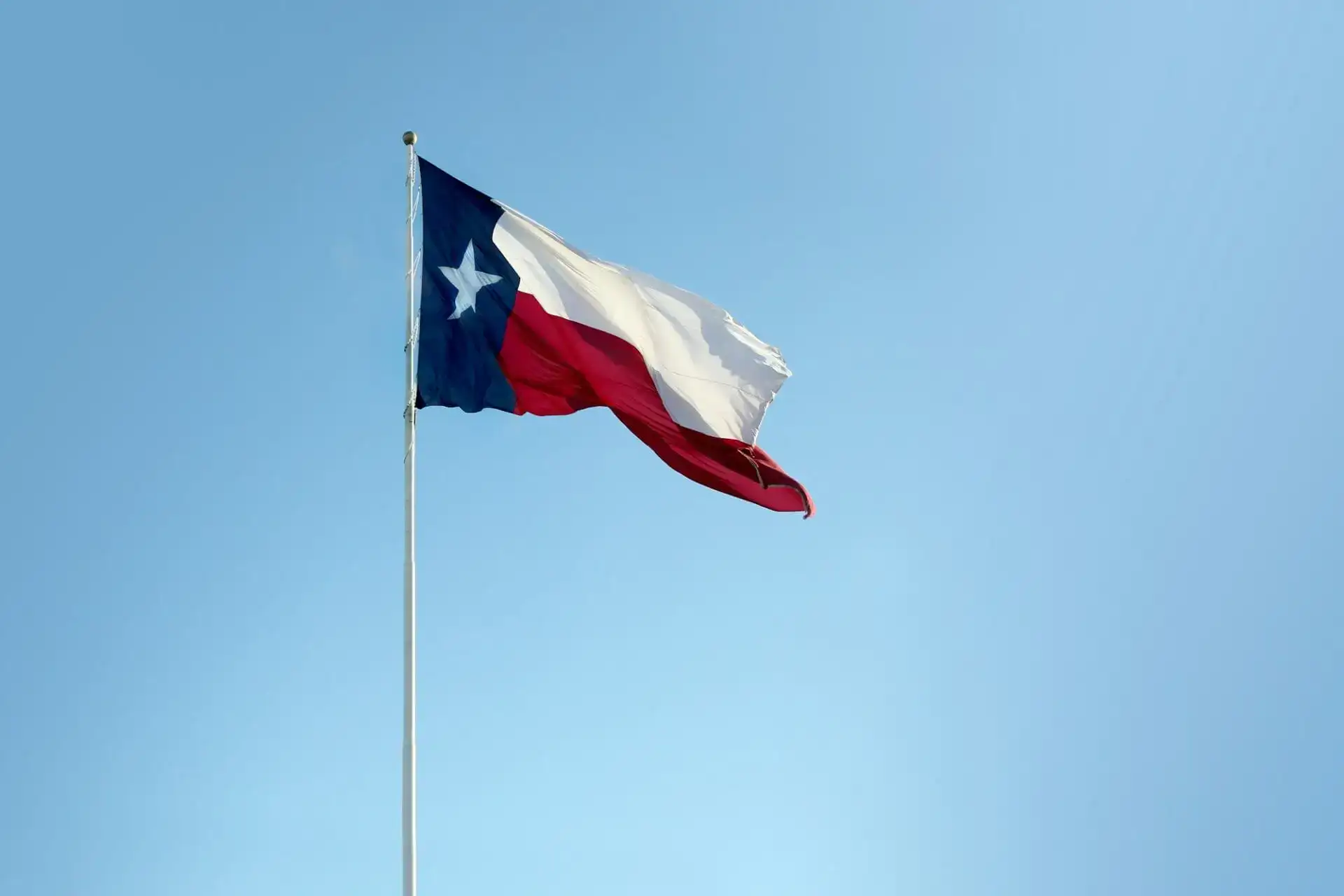
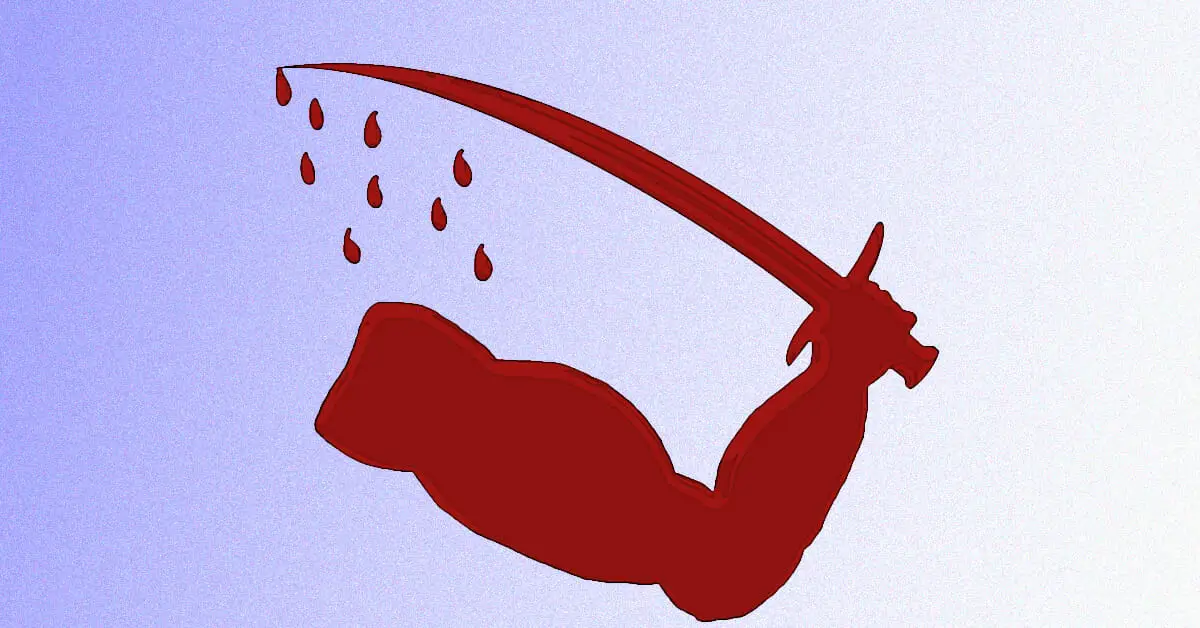
The same day, the garrison raised a new flag over La Bahía. Dimmitt had designed it after returning from the siege of Bexar: a white field bearing an arm that grips a bloody sword. The Handbook of Texas records it as what has been called the first flag of Texas independence, and the claim rests on a real break. Earlier flags, including the “Constitution of 1824” tricolor Dimmitt himself had made that October, still placed Texas inside a federal Mexico. The bloody arm didn’t.
The revolutionary government was not ready to follow. When a committee carried the original document to the General Council at San Felipe on December 30, the council was negotiating with José Antonio Mexía and Julián Pedro Miracle, who wanted to know whether Texans meant to seek independence or to cooperate with the Federalists in northern Mexico. Council members warned the Goliad messengers not to circulate the declaration any further. A committee report called it inconsiderately adopted, and the document was filed away without action.
Goliad paid for the stand. In January, Francis W. Johnson and James Grant arrived on their way to Matamoros, each claiming command of the Texas army, and demanded that the bloody-arm flag be lowered. They seized the garrison’s horses and supplies, and Dimmitt resigned his command around January 10, 1836.
By then the declaration was out of the council’s hands. The copy that reached Brazoria was printed and widely distributed, and Goliad’s declaration came two days before Austin’s own public call for independence at Velasco. Ten weeks later, the question the council had shelved was the one the delegates at Washington-on-the-Brazos answered.
Comments have moved. The real debate about Texas independence now happens with thousands of Texians in the app.
Get the TEXIAN app
More Like This