Commentary
The Math Behind TEXIT and What It Actually Takes to Win Texas Independence
Every movement needs a roadmap. Every campaign needs a plan.
Page 2 of 20. Newest stories are on page one.
Every movement needs a roadmap. Every campaign needs a plan.
When I was young, I spent all of my free time hiking and playing in the woods of East Texas.
Are you a little more agitated and less tolerant of tyranny than usual on this July 4th holiday? You should be. That is especially true if you are a Texan.
The political establishment in Austin has a strategy, and it’s not complicated. In fact, it’s so straightforward that you could explain it to a child: divide the opposition and break their spirit.
As April 21st is upon us once again, Texans across our great state prepare to commemorate one of the most pivotal moments in our history – San Jacinto Day.
Editor’s Note: The following question was submitted to Daniel Miller for our recent Live Stream of “Late Night Coffee Talk with Daniel Miller.”
Back in April, when the Texas Nationalist Movement announced our intention to extend assistance to independence movements in Northern Mexico, the media response was predictable.
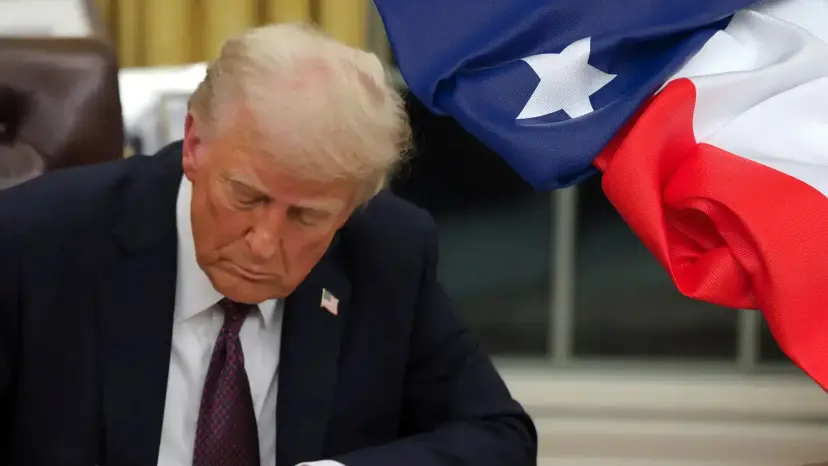
With the stroke of a pen, President Donald Trump has delivered a series of executive orders aimed squarely at dismantling federal policies that he and his supporters see as overreach.
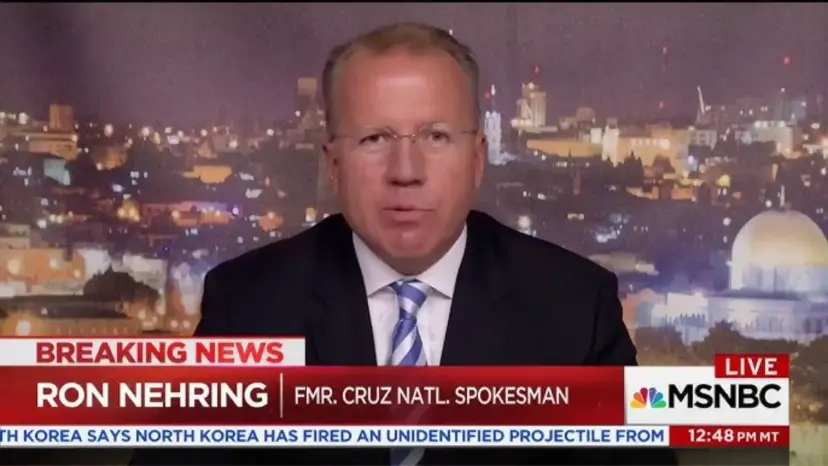
There’s something deeply telling about watching a failed California political operative lecture Texans about self-determination.
Looking back at 2024, one thing stands crystal clear: Texas independence has moved in the minds of most Texans from a question of “if” to a matter of “when.”
On December 29, 1845, Texas formally joined the United States. The Republic of Texas, facing mounting debts and external pressures, made what seemed like a pragmatic choice at the time.
Over the past 15 years, the gap between grassroots Republican voters and the Republican political establishment in Texas has grown into a chasm.