A Federal Judge Paused a Texas Election-Law Case and Pointed It Back to Austin
A federal judge in Amarillo paused a challenge to the Texas Election Code rather than decide it, saying the Legislature may amend the law first. The deference was his to give.



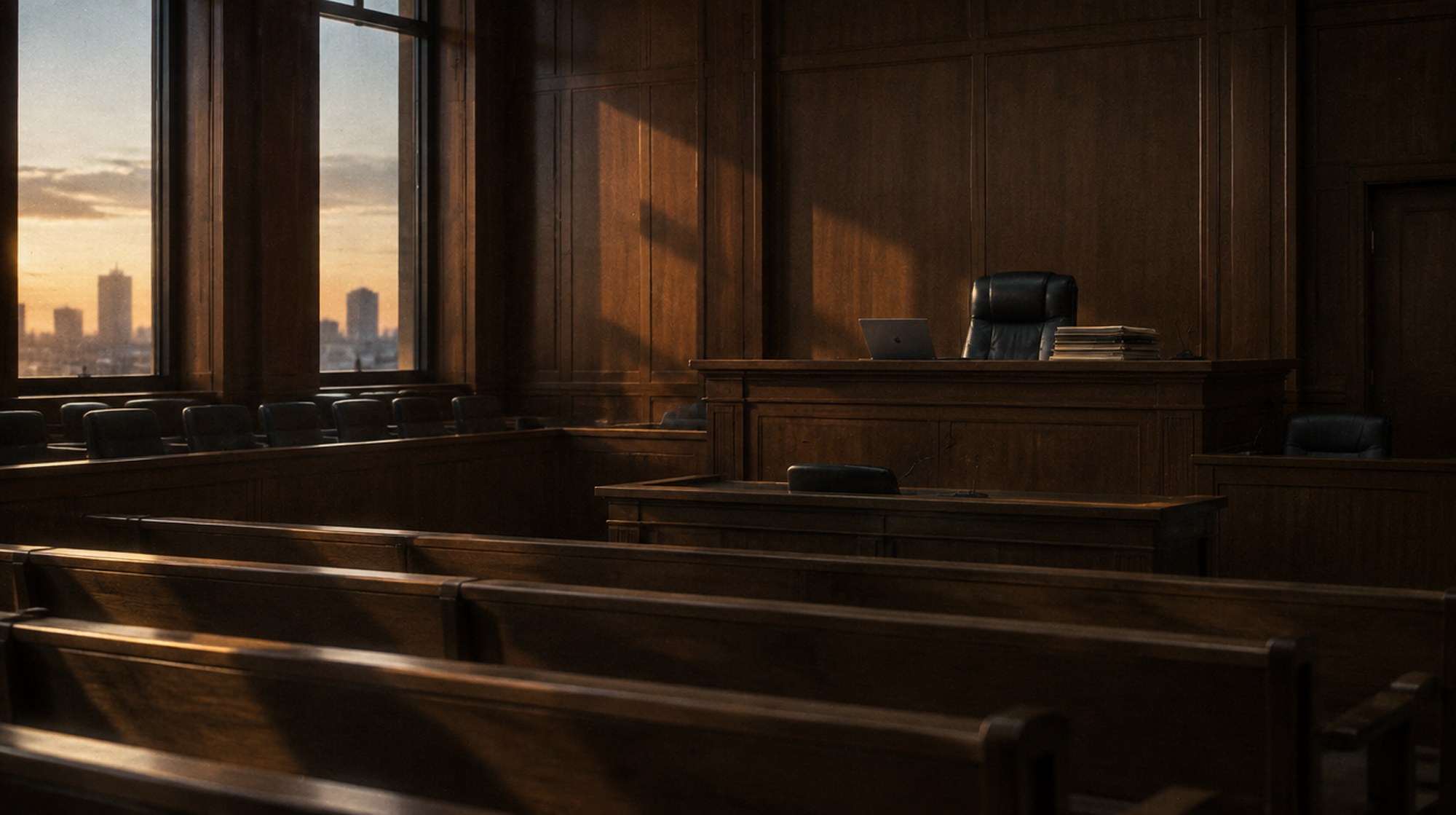
A federal judge in Amarillo has put a challenge to the Texas Election Code on hold rather than deciding it, on the ground that the Texas Legislature may take up the same question first.
U.S. District Judge Matthew Kacsmaryk issued the order Friday, September 18, in Hunt v. State of Texas, No. 2:25-cv-00200, in the Northern District of Texas. The Republican Party of Texas and an Amarillo party activist, Chip Hunt, filed the suit in September 2025. They argue that the provisions of the Election Code requiring open primaries violate the party’s First Amendment right to choose its own nominees. Texas voters do not register by party, and any registered voter may vote in any one party’s primary.
Kacsmaryk did not rule on that question. He paused the case because, as The Texas Tribune reported from the order, “the Texas Legislature may soon amend the law challenged here,” noting that “Prominent Texas politicians support similar legislative action.” The 90th Legislature convenes in January. The next Texas primary elections are in 2028.
The Secretary of State, Robert Howden, is the defendant in his official capacity. Filings in August said his office would defend the current open-primary system.
Whether Texas primaries should be open or closed is a question for Texans and for the party that holds them. This ruling did not answer it. It answered a different one: who gets to.
A rule about how Texans nominate candidates for Texas offices was filed in a federal courthouse, and a federal judge decided whether the Texas Legislature would get the first answer. He decided that it should. That is the right destination. It was also his to choose, and nothing required him to choose it. A judge who read the timing differently could have ruled on the merits this month and set the rule for the 2028 primaries from the bench in Amarillo. The Legislature would then have been working around a federal ruling instead of writing the law.
The deference was discretionary. Texas’s authority over its own election machinery, in a federal courtroom, runs as far as the judge’s willingness to leave it alone. That holds in this case, in the redistricting cases, and in every other dispute where a Texas statute has to survive review by a court Texas does not seat, under a standard Texas did not write.
The Legislature now has the question, and it only has it because a federal judge decided to punt.
See more of the Partisan in Google’s Top Stories.Add as a Preferred Source on Google
Read Next
Texian Partisan Opens Live Results Desk for Texas Election Night
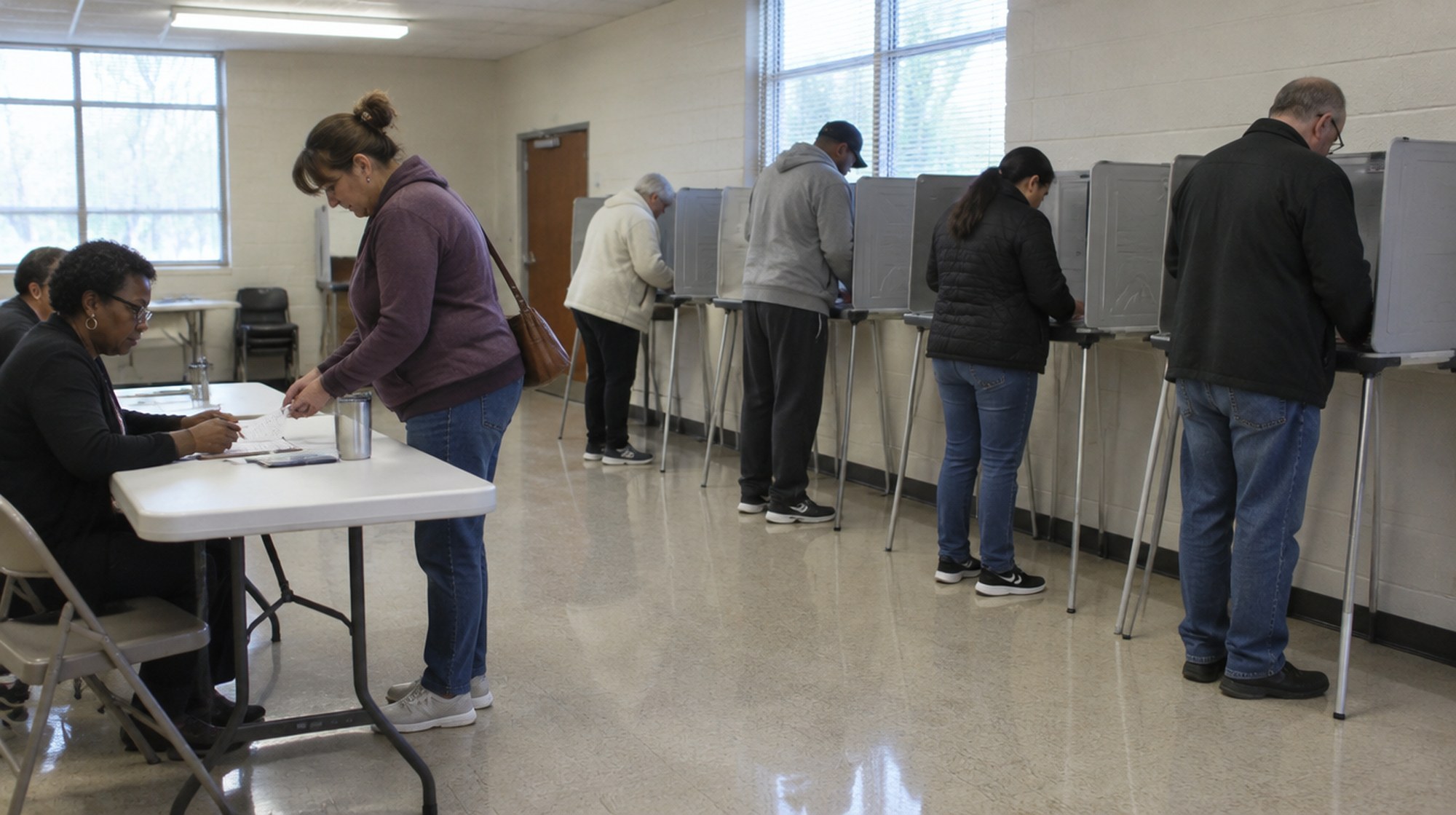
The Texian Partisan's live page tracks Texas early voting now and every statewide and legislative race from 7 p.m. Central on November 3, county by county and district by district.